Posted in airlines, aquaculture, bahia de los muertos, bahia de los suenos, Baja, Baja Fishing, Baja fishing lures, Baja Life, Baja Mexico Fishing, Baja Rockfish, Cabo San Lucas, cabrilla, camping, car, cerralvo, cerralvo island, charity, charters, chubasco, Dehydration, donations, dorado, driving, east cape, ecotourism, el nino, el sargento, espirito santo, family, farm-raised, fish, fish farming, fish pens, Fishing, fishing blogs, fishing hooks, Fishing lures, fishing packages, fishing reports, Fishing Tackle and Techniques, Fishing techniques, fishing tips, fishing tournaments, fishing trips, fishing videos, flyfishing, freediving, giant squid, Heat stroke, highway, holidays in mexico, humboldt squid, hurricanes, ice chests, inshore fishing, inshore fishing in Baja Mexico, jack crevalle, Jonathan Roldan, kids, kids fishing, La Paz, La Paz Fishing, la ventana, las arenas, Leisure, light tackle, Living in Mexico, los barriles, luggage, marlin, Mexican, Mexican business, Mexican culture, Mexican Independence Day, Mexico, Mexico Christmas, Mexico economy, Mexico life, Mexico neighborhood, outfitters, pack for a purpose, packages, packing, packing fish, panga, Panga Fishing, pargo, passport, planning, pompano, rental car, rentals, road trip, roosterfish, Salt Water Fishing, Salt water lures, San Jose del Cabo, saving money, Sea of Cortez, seafood, sierra, spearfishing, sportfishing, squid fishing, storms, suitcases, Sun stroke, sustainable, Tailhunter International, techniques, tourism, tours, transpeninsular highway, Travel, trolling tips, tuna, Tuna jackpot, tuna tournament, Uncategorized, vacations, vehicle, wahoo, waterspouts, weather, Western Outdoor News, Western Outdoor Publications, women fishing, yellowtail, tagged accommodations, airlines, amberjack, bahia, baja, bay, beaches, billfish, blog, bonito, Cabo San Lucas, cabrilla, cal expo, catch and release, cerralvo, certified, charter, children, deep sea fishing, discount, dog tooth, dorado, driving, east cape, el sargento, espirito santo, family, fish, Fishing, fleet, flyfishing, fred hall, freediving, girl, grey whales, grouper, guide, history, holiday, hotel, hurricane, igfa, images, inshore, ise, isla, island, jack crevalle, jillene roldan, jilly roldan, Jonathan Roldan, kids, la ventana, las arenas, Leisure, live bait, lodging, los barriles, mahi mahi, marlin, mexican, mexico, muertos, northwest sportsmans show, odile, offshore, outfitter, pacific northwest sportsmans show, pack for a purpose, package, panga, panga slam, pargo, photos, pompano, rental, reports, road trip, roosterfish, roosterfish foundation, sailfish, san jose del cabo, scale, scuba, sea of cortez, sealions, sierra, snapper, snorkel, spearfishing, sportfishing, suenos, swimming, Tailhunter International, tailhunter restaurant, techniques, tips, transpeninsular highway, travel, trip, trolling, tuna, vacation, video, wahoo, weather, whale, whale watching, whalesharks, wife, woman, yellowtail on January 5, 2015|
Leave a Comment »
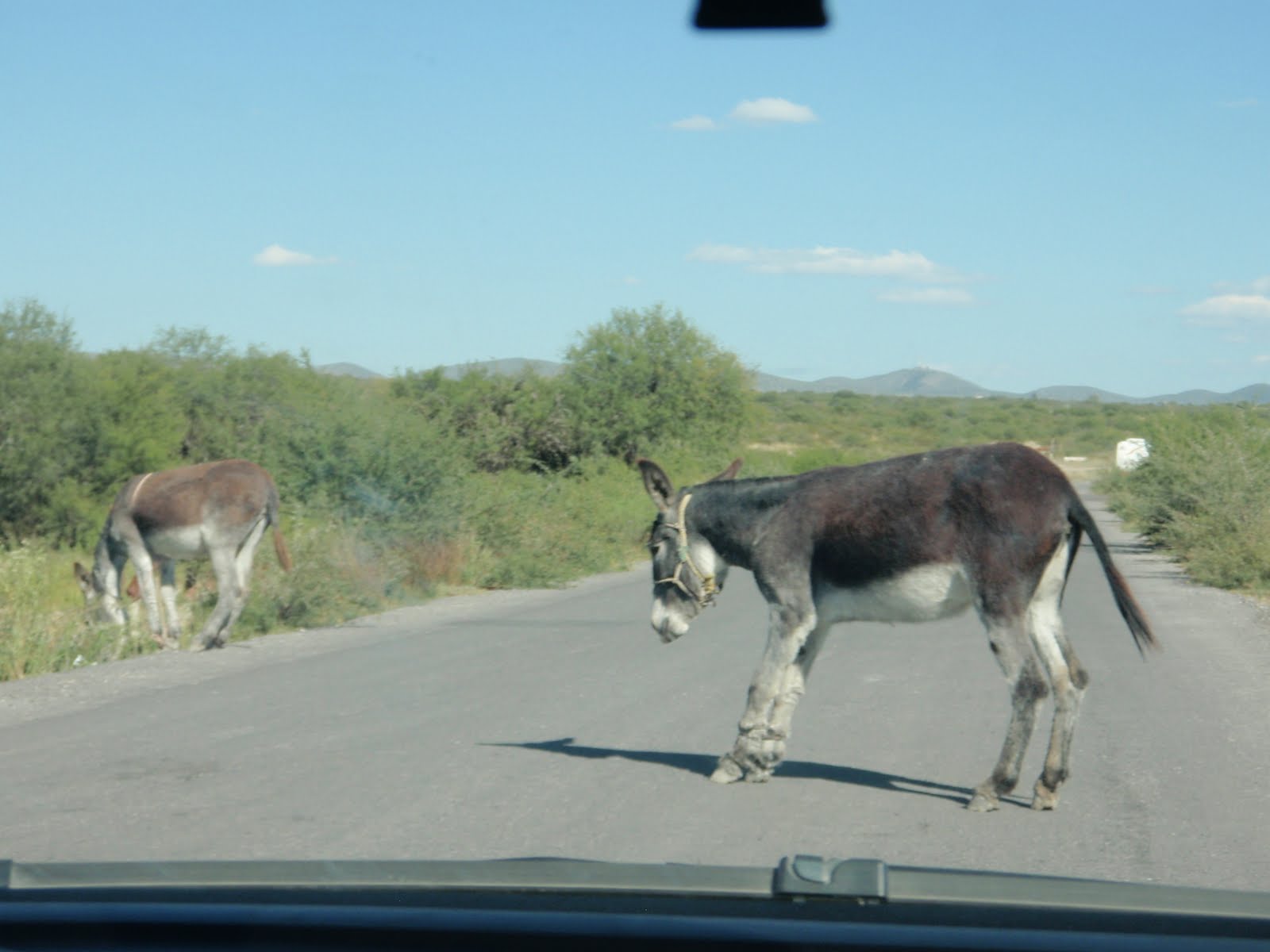
Road trips where you wrote you own captions and every curve there was something unexpected!
“HOW WE ROLLED RUMBLED AND STUMBLED”
Originally Published in Western Outdoor News the Week of January, 6, 2014
Driving the Baja…
There was a time not long ago when I actually had the time to drive up and down the Baja Transpeninsular Highway. Time was not “of the essence” and even with cheap flights, gas was still so cheap it was more economical to drive.
These were the days several decades before there were regular convenience stores and Pemex gas stations dotting the landscape.
Yes, the Transpeninsular was a relative Mexican engineering marvel for its day. Officially called Federal Highway 1, it was quite a feat.
Being in the U.S. we take highways for granted and few who visit Baja today remember what it was like before the highway. Even those first years after its completion in 1973 were a bit rugged.
Highway 1 dotted-dashed-scurried-and-ribboned the entire 1,000-mile length of the Baja corridor from Tijuana to Cabo San Lucas. No doubt, to have one solid-length of pavement was a vast improvement over the previous road(s) which required the abilities of a world-class off-road driver and a vehicle that was about as indestructible as an Abrams tank.
Even in its completed state, it was politely called a “highway” sporting just two lanes. Laughingly and affectionately, it was called a “leveled goat trail” by its fans who still saw it as a vast improvement.
But, the word “solid” is relative. Like so much in Mexico. “Pavement” has many meanings!
There were sometimes more detours around missing parts of pavement than actual pavement. That meant forays into the nearby desert.
Potholes stretched for miles and trying to navigate in-around-and-out of them was like trying to dash through a minefield.
Sooner or later, the odds were you’d get rocked. The Spanish word for “pothole” is “Hoyo” (OY-yo)…as in OH-no! Which is what you said as your suspension or axle suddenly groaned in agony as it slammed into crater after crater. And you hoped you still had an oil pan.
But, so many of us drove the trek regularly, and looked forward to it. It was an adventure of adventures. It was almost a rite of passage to tell someone, “Dude, I just DROVE the Baja.” You didn’t “drive TO Baja.” You didn’t “TRAVEL to Baja.”
You proclaimed your coolness and told folks, you “DROVE the Baja.” It was sorta like “riding the Banzai Pipeline.” Or “running with the bulls.” Or “scuba diving with sharks.”
Instant cred. Very high on the “neato scale.” At least a 9 in the ooh-aaa factor. A bucket list things for guys.
Yup…Us cooler dudes, “DROVE the Baja.” Back in the day, the coolest of the cool folks declared they “SURVIVED the Baja” because that was always a pre-cursor to a good story, too! Driving the Baja was one thing. “Surviving the Baja” meant that a good tale was to follow.
The “survivors” brought back great stories and tall tales of roadside frontier adventure. There were flat tires…busted fan belts and axles and green unfiltered gas bought from a guy with a 50-gallon drum and a handpump.
How about those swarming mosquitos and flies? Sunburn…hangovers…stalling in sand-filled arroyos and waking up in strange places. And what’s a good story if it didn’t include Montezuma’s revenge… a hurricane… a sandstorm or the occasional ill-advised romantic liason?
But, there were also golden gems of deserted white sand beaches and glorious crimson sunrises…mouth watering handmade roadside tacos… ferocious fish that had never seen a hook… perfect thick-lipped waves that had never been surfed…friendly warm people…icy beers and barbecued lobster eaten with fingers and campfires under carpets of stars.
And always, there was one more dirt road off the beaten path that beckoned to be explored…begged to be explored. Every adventure started with the words…”We decided to pull off the highway…” Or “We stopped in for just one small tequila…” Or, “I was eating a greasy taco and my eyes locked on this pretty girl…”
Federal One has become bigger, better and safer after all these years. There are still stretches of the wild Mexican frontier that go for miles. But, you’ll see more gas station. More convenience stores. RV parks and hotels too.
It’s just not the same anymore. You climb on a plane in the U.S. You ride the sterilized tube through the air and maybe see a bit of dessert or ocean below. You exit into an air-conditioned terminal with a thousand other people.
The biggest adventure and closest brush with danger is running the gamut of airport vendors trying to rent you a car or get you on a time-share trip.
“Free fishing trip, Senor? Just need two hours of your time for a small presentation.”
“Eh amigo, do you need a taxi?”
“Discount snorkel trip for you and your family?”
The height of your anxiety and adrenaline level is wondering if your luggage will get searched by duty inspectors at the airport.
You remember that undeclared bottle of Jack Daniels hidden in your boxer shorts. Your wife thinks they inspectors will pull out her lingerie in front of everyone. Blood pressure zooms.
Or major panic. Now that you’re through customs, you can’t find the shuttle driver who was supposed to meet you at the terminal. Whew…there he is. He was hidden behind all those other shuttle drivers!
Man, that was stressful! Gonna have a double margarita at the pool bar as soon as I dump this stuff in the room.
It’s just not the same anymore. And neither are the good stories.
“The room service didn’t have cheesecake…” is a lot different from
“Did I tell you about the time these Mexican fishermen with lobsters came to our campsite and wanted to trade for a 6 pack of Budweiser? And one guy had a guitar…and my buddy Dave pulled out a bottle of Cuervo?”
“Man…let me tell you…”
Editor’s Note: Jonathan and Jill Roldan of Tailhunter International Sportfishing (www.tailhunter-international.com) in La Paz make the Mex 1 run often. They are at their first show of the year for them, at the ISE show in Sacramento that starts Wednesday at Cal Expo, with stops in Long Beach and Del Mar on the SoCal schedule.
That’s our story!

Jonathan
_______________
Jonathan Roldan has been writing the Baja Column in Western Outdoor News since 2004. Along with his wife and fishing buddy, Jilly, they own and run the Tailhunter International Fishing Fleet in La Paz, Baja, Mexico www.tailhunter-international.com. They also run their Tailhunter Restaurant Bar on the famous La Paz malecon waterfront. If you’d like to contact him directly, his e-mail is riplipboy@tailhunter-international.com or drop by the restaurant to say hi!
______________
Jonathan Roldan’s
Tailhunter International
TAILHUNTER FISHING FLEET #1 Rated on Trip Advisor
TAILHUNTER RESTAURANT BAR #1 Rated in La Paz on Trip Advisor
Now follow us on FACEBOOK TOO
Website: www.tailhunter-international.com
U.S. Office: 8030 La Mesa, Suite #178, La Mesa CA 91942
Mexico Office: 755 Paseo Obregon, La Paz, Baja Sur, Mexico
Phones:
from USA : 626-638-3383
from Mexico: 044-612-14-17863
.
Tailhunter Weekly Fishing Report:
http://fishreport.jonathanroldan.com/
Tailhunter YouTube Videos:
http://www.youtube.com/user/pangapirate
“When your life finally flashes before your eyes, you will have only moments to regret all the things in life you never had the courage to try.”
Read Full Post »











 That's My Story