Some High-Fives are gratuitous and don’t mean much. There are other High-Fives that mean everything!
HIGH FIVE and WELL DONE!
Originally Published the Week of April 4, 2022 in Western Outdoor Publications
Last week, my wife, Jill and I were in Denver.
We’ve been on the road 3 months doing the fishing and hunting expositions across the western U.S. promoting our fishing operation in La Paz as well as tourism in general to Baja.
Each week a different city. A different show.
In our booth four or five days for 8-12 hours-at-a-time. Meeting and greeting. Shaking hands and socializing.
We’ve been doing it every January to March for almost 30 years. It’s fun. But, it can also be wearing.
Long hours driving. Different hotel rooms. Too much fast food. Packing and unpacking all the booth and gear. Convention centers with thousands of people packed inside.
So, we’re at our last show in Denver. As often happens, rather than look for parking in a major downtown metro, it’s often easier to take Uber from our hotel to the respective convention center.
Dial up Uber. He’s on his way. Meet out front on the sidewalk.
It’s early. We’re half-asleep, but we gotta get to the expo. It’s show time.
Our uber driver today is Haani. He has a white Toyota Camry.
He pulls up. Good-looking pleasant young man. Swarthy. Cleanly dressed. He helps us with all our briefcases, backpacks and other things we need to drag to the show each day.
We climb in. Bonus points, the car is spotless and he’s got some light jazz playing. Nice music for the morning.
We make the usual conversation.
Jill asks, “Are you having a busy day?”
He says cheerfully, “I’ve been working all morning and usually work the whole day. But, today, I have to take a break in the middle of the day.”
“For lunch?” asks Jill.
“No. Not today! Not for lunch. Today I have a special service to attend!” replies Haani.
“A special service?”
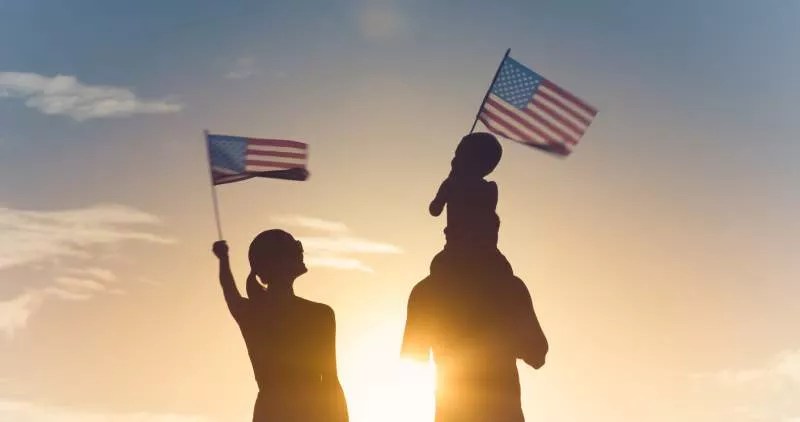
He smiles and turns around towards us in the backseat and says proudly, “Today I will become a naturalized American citizen!”
A pause as Jill and I wrap our collective brains around that for a moment.
“Oh my God! That’s awesome!”
“Congratulations!”
“This is the best news of the day!”
Jill and I are both yammering out loud at the same time from the backseat as we lean over towards him.
We are spontaneously shaking his hand; playfully punching him in the shoulder and giving him high-fives from the backseat. I’m shaking him by his neck. It’s like he just shot the winning basket…scored the 4th quarter touchdown…touched all the bases in the World Series.
For indeed he has!
He is laughing and trying to keep the car on the road!
He is beaming and his proud smile fills the rearview mirror as he watches Jill and I bounce around his backseat pumping our fists in the air!
Haani is from Afghanistan. He has been working hard on getting his citizenship for six long years. He says it is the hardest and best thing he has ever done.
He and his wife work two jobs. Two young kids in school.
He tell us what a great country America is. He could not be prouder. Or more grateful.
Neither could we. He dropped us off and we all laughed and we wished him well with one last handshake and high-five. It made our day.
Welcome to America, Haani.
We’re gonna lift up a cold one to you and your spirit to luck and a better life!
That’s my story!
Jonathan
______________
Jonathan Roldan has been writing the Baja Column in Western Outdoor News since 2004. Along with his wife and fishing buddy, Jilly, they own and run the Tailhunter International Fishing Fleet in La Paz, Baja, Mexico www.tailhunter.com.
They also run their Tailhunter Restaurant Bar on the famous La Paz malecon waterfront. If you’d like to contact him directly, his e-mail is: jonathan@tailhunter.com
Or drop by the restaurant to say hi. It’s right on the La Paz waterfront!
Originally Published the Week of Mar. 26, 2022 in Western Outdoor Publications
Living in Baja, visitors often ask me some suggestions of where they can “see the real Mexico.” They’re not interested in finding out where to go zip-lining or the cheapest place to buy a hammock or sarape.
They want the genuine article. The real deal. Something not “touristy.”
I tell them to head to church. Preferably on a Sunday or a Saturday afternoon.
After a momentary quizzical look, I explain that they’ll see a part of Mexico…a part of the community…a lot of history and a lot of culture if they make a visit to the local church.
Every city or large town has a Catholic church.
Since the earliest days of the conquistadores and missionaries, you can pretty much find a Catholic Church somewhere in the area. To this day, Mexico remains largely a Catholic country and the church is still the center of life…even if not everyone goes to church all the time.
Nevertheless, the church is still central to so much that goes on in a Mexican community. Obviously, it’s a spiritual and religious center.
Architecturally, it’s usually in the center of town or in a town square, park or pavilion area.
Socially, it often remains the place where life’s milestones still take place. Start to finish…baptism…confirmations…quincineras (sweet 16 presentations)…weddings…more baptisms…and funerals.
So, I tell folks to head to the local church.
Outside, there are often street vendors in the larger cities. It can be a hub of activity.
Our own cathedral in La Paz is in the town square and adjacent to the town park. There are often musicians playing. Families picnicking. Impromptu karaoke and bingo games. Old men playing chess or checkers.
Stand outside.
If it’s an old church, take in the architecture. Admire the craftsmanship. Many of these churches weren’t made with modern cranes, bulldozers and electric tools.
Old-fashioned human labor with hand tools. Sweat equity for credits in heaven. Pride in details that were meant to last for decades or centuries.
Handmade brick and quarried stone transported maybe from many miles away with carts, wagons and mules. In some cases, the very wooden beams inside the structure as well as the window glass was transported from Spain, not to mention statues and religious artifacts and furniture.
The bells may have come from some faraway forge as well. Most likely yes.
If there’s an old cemetery nearby, well worth it to trace the history of the former priests, padres and parishioners. It was a hard life.
You’ll often see short life spans. Children and babies who died early. Many deaths close in date could indicate a communal epidemic like measles, smallpox, dysentery or a simple flu.
Step inside. Remove your hat. There might be a Mass or other event taking place. Even if not, remember it’s still a house of worship. Be respectful.
If nothing is happening, wander and gaze. Statues, the alter, the stained glass, the wooden pews, paintings and artwork may date back decades or centuries. They may have travelled thousands of miles to find their forever homes in this church.
The craftsmen are long gone, but their work remains. It’s better than any museum.
Imagine today, we go to Home Depot. Get our materials. Build a bookshelf for your home. Never in a million years would we expect it to last for decades. Not like these old artisans.
I’ve been in old Mexican churches where the walls and ceilings are still covered with the dark soot of a century or more of burning votive candles.
A close examination of the area around the alter shows inset graves of the old padres who once serviced their community. The tiles show their names.
It’s a testament to their dedication and commitment that many of them travelled from Spain or other places in Mexico to find their final resting place in the arid hard-scrabble frontier of Baja.
If there are services taking place, many times, there can be multiple events transpiring since often, there’s only one priest or padre. In some instances, the priest is a travel-priest doing services from town-to-town to tend to his parishioners.
But, if you’re visiting, that’s where you’ll see the culture.
I once came for Mass. It was followed by a baptism. Followed by a wedding. Followed by a first communion of 8 and 9 year-old-kids in their little white shirts and puffy dresses.
The whole gamut. Proud families. Happy couples. Nervous youngsters. Big days in life. Big days in the community. The circle of life. The cycle of life.
All in one place. Just follow the sound of the bells!
That’s my story!
Jonathan
______________
Jonathan Roldan has been writing the Baja Column in Western Outdoor News since 2004. Along with his wife and fishing buddy, Jilly, they own and run the Tailhunter International Fishing Fleet in La Paz, Baja, Mexico www.tailhunter.com.
They also run their Tailhunter Restaurant Bar on the famous La Paz malecon waterfront. If you’d like to contact him directly, his e-mail is: jonathan@tailhunter.com
Or drop by the restaurant to say hi. It’s right on the La Paz waterfront!
Originally Published the Week of Mar. 20, 2022 in Western Outdoor Publications
My wife, Jill, and I have been on the road now for the better part of three months. Every year, we drive all over the U.S. doing fishing and hunting expos drumming up business for our fishing operation in La Paz.
We set up our booth and join many hundreds of other international outfitters, fishing guides, hunting guides, gear retailers, RV and boat sellers and others in the modern day version of the fur trapper rendezvous.
It’s definitely a “gathering of tribes.” Over the course of 4 or 5 days, often tens of thousands of attendees fill the aisles. It can be quite an event.
As of today, we’ve been over a dozen states now. A few more still to come.
We’ve been through huge cities and the smallest of towns. Towering skyscraper skylines to one-horse crossroads. I believe we’ve already logged over 10,000 miles driving. (Not so fun watching gas prices blow up, but that’s another story!)
In previous columns, I’ve documented the distressing amount of crime, vagrancy, squalor and trash we encountered in so many cities. Especially along the west coast.
Friends and other outfitters were victimized by burglaries and outright thefts of their vehicles, trailers and rigs. One friend was carjacked at gun point by a guy running from a murder.
Our own rig was rendered undriveable by a break-in where the bad guys completely smashed not only our rear glass, but the whole liftgate.
We joke about the “Zombie Apocalypse,” but many a night none of us would leave our hotel/ motel rooms because of all the homeless folks wandering outside; sleeping in the bushes; panhandling; hustling; partying; defecating and more.
Some of our most beautiful and favorite cities broken, ruined and abandoned except for the tattered, the homeless, the lawless, the disenfranchised of the streets. It’s an urban landscape straight out’ve an “end of the world” sci-fi flick.
After several weeks in these areas, it was more than disheartening and depressing. I wasn’t alone in my assessment.
Other outfitters, local residents and law enforcement friends echoed the same sentiments in these areas.
There was a tacit resignation of spirit that THIS is what it’s come to. THIS is where WE are. THIS is how it will always be and only get worse.
And not a thing we can do about it.
The whole country to hell-in-a-handbag.
But wait…
Then our show schedule took us inland. Smaller shows AWAY from the big cities. We passed through and spent more time in smaller cities and neighborhoods.
Back to the countryside. Little pink houses. Denny’s diners. Swings and slides in town parks. Crossing guards at the elementary school. There’s a banner about a pancake breakfast at the church. The VFW Hall has a bunch of pick-up trucks parked outside.
Went into a grocery store in Central Oregon. A 9-year-old boy held the door open for me and said, “after you, sir!”
Shock and awe.
In little towns in Washington and Nevada, Arizona, New Mexico, Colorado, Texas and Wyoming, we got “sir” and “ma’am” a lot. And not just from kids.
Adults you run into in the street in the normal course of a day or at our hotels addressed us similarly. Just the way things are. Courtesy and hospitality, that was rarely found in the big cities.
We had become so callous to common civility and comity that it seemed like people were going out of their way to be amiable. But, it’s just the way people are in different spots of the country. Or how they are brought up.
I was brought up addressing others like that as well. Just how I was taught. However, when I use “sir” or “ma’am” I often get a quizzical look as if I was speaking Greek. Some folks get offended as if I was calling them “old.”
In these small towns and open spaces, I got a nod and smiles and friendly responses instead.
At the shows themselves, it’s a different crowd for sure.
At the start of the show before they let the crowds in, they play the Star Spangled Banner over the loudspeaker in these expo centers. Everyone stops what they are doing and puts hand or hat over heart and faces the flag.
Many people sing out loud. You can help smiling. You stand up a little straighter. I catch myself singing as well.
When the crowds come in..
Again, I’m often addressed as “sir.” After chatting with someone at our booth, it’s not uncommon for someone to thank me for taking the time to answer their questions.
Are you kidding me?
I hear the word “please” a lot .
The adults/ parents are much more blue collar. Yes, there’s a lot of pick-up trucks and suburbans in the parking lot . A lot of baseball hats, blue jeans, camo vests and work, hiking or cowboy boots. Men and women alike.
Some look just like they just took off the gloves and came to the show from the ranch, farm or mechanic shop. Moms look like they just grabbed the kids from school and are trying to get through the show before they gotta race home to cook dinner.
In the meantime, a beer or Coke and a bag of popcorn will do, thank you very much.
But in talking to adults and kids alike, they sound like they can fix cars and boats. They can take out an elk at 500 yards AND carry it out on their backs. They can run tractors and they tell you they can only come visit us in Mexico AFTER the crops come in but BEFORE hunting season starts.
At one show on a Sunday, a family apologized to me for coming so late to the show. Because they were at CHURCH!
I felt like giving them all a high-five!
At one show, I was next to a sporting goods outfitter.
The men, women AND kids knew how to handle guns and fishing gear and were as at adept and knowledgeable about fishing and hunting, camping and boating and off-roading as any expert.
It was refreshing. It’s not hopeless. It’s not as depressing as it seems.
It’s not a Normal Rockwell painting, by any stretch. All places have their issues and problems. I realize my view was only a tiny miniscule slice.
But, all is not lost. Faith renewed.
Yes, Sir. Yes, Ma’am.
That’s my story!
Jonathan
______________
Jonathan Roldan has been writing the Baja Column in Western Outdoor News since 2004. Along with his wife and fishing buddy, Jilly, they own and run the Tailhunter International Fishing Fleet in La Paz, Baja, Mexico www.tailhunter.com.
They also run their Tailhunter Restaurant Bar on the famous La Paz malecon waterfront. If you’d like to contact him directly, his e-mail is: jonathan@tailhunter.com
Or drop by the restaurant to say hi. It’s right on the La Paz waterfront!
Originally Published the Week of March 7, 2022 in Western Outdoor Publications
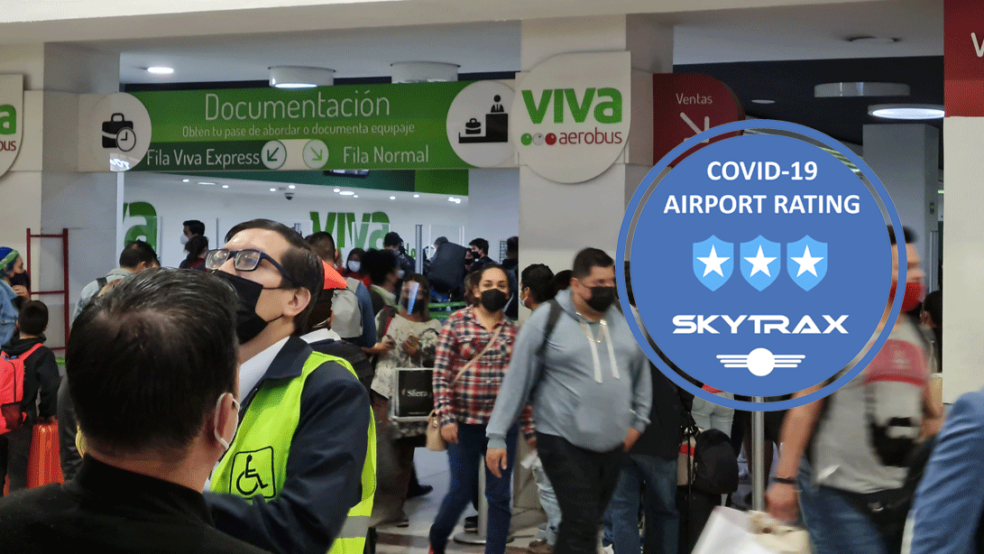
Whether you’re planning to fly, drive or walk to Baja or any place in Mexico in April, come ahead. For the first time in 2 years, Mexico is basically open and really wants you to come visit. (aka “needs you to visit!”)
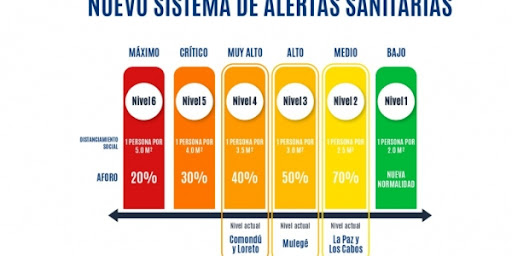
Since the pandemic hit in 2020, Mexico implemented a “traffic light” scale to measure the covid restrictions and protocols. Red being the worst. Green was the best.
In between those extremes were a series of various shades of oranges and yellows. Over the pandemic, the scale has bounced back and forth between those variations.
Just like in the U.S. it’s been “masks on.”
Now they are “off.”
Now they are back on.
Same with all the attenuated protocols like social distancing, closures and activities. Back-and-forth. Up-and-down. Enough to make your head spin.
Unless you’ve quarantined in a windowless room the last two years, you know the drill.
However, like many locations in the world, covid and it’s seemingly unnumerable waves, permeations and mutations is declining. Infections, hospitalizations and fatalities thankfully are also down.
According to officials, something like 80-85% of the eligible population has been vaccinated.
So, it’s a virtual green light to go visit Mexico this Easter or spring break. It’s the first time in two years.
Of course, like everywhere else, there’s some trepidation about the anticipated onslaught. With so many people suddenly running around with impunity health officials and politicians have some underwear bunching up.
But, for better or worse, things are open!
Some vestiges of covid might linger. Some private businesses might still require masks. It’s their prerogative. But, otherwise, party like it’s 2019!
But, Mexico has been trying to get ready.
Statistics have shown that Mexico has been the #1 travel destination in the world. Not just Americans, but anyone else who can jump on a plane has looked to Mexico.
It was easy to get in.
Easy to get out (mostly).
Chances of quarantine were minimal.
It’s a great value for a vacation.
The only thing you need to do is get a negative covid test before returning to the U.S. Fingers are crossed that even this may drop to the wayside. We can only hope.
So, if you’re thinking of heading south in April, especially the weeks preceding or following Easter on April 17th, look for it to be crowded.
It won’t just be Americans and international travelers. Especially around beach cities, and Baja in particular, the Easter weeks are the busiest times for Mexican nationals to travel as well.
Many take the time off work to take vacations. Many go to visit family.
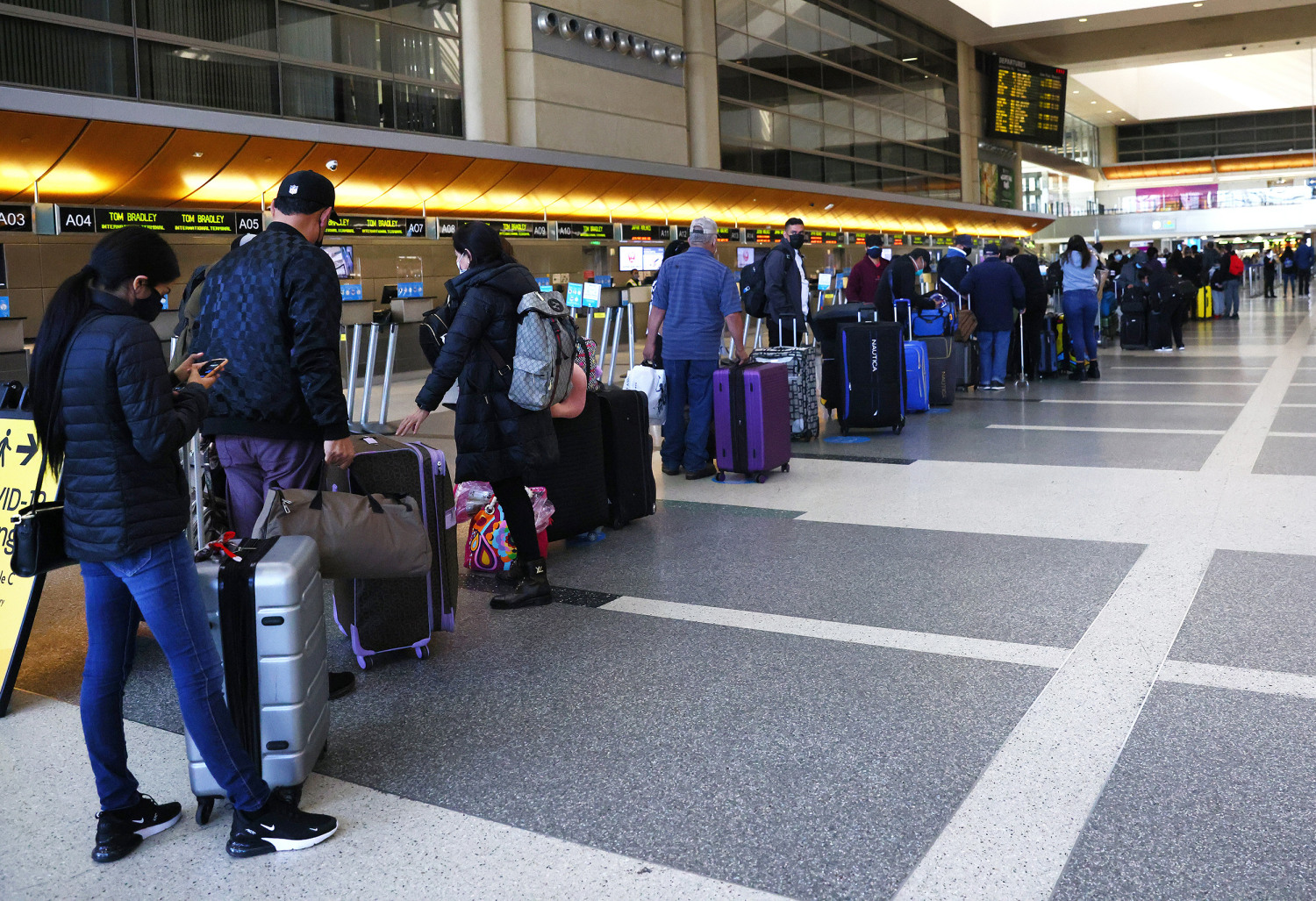
So, expect crowds at restaurants, bars, beaches and other gathering places. That includes airports especially. Prime arrival and departure times are expected to be packed.
In addition to everyone flying into Mexico, many Mexicans use the holidays to visit family and friends in the U.S. In fact, it’s the busiest time of the year to try to fly.
Busier than Christmas. Busier than Thanksgiving.
Therefore, give yourself extra time coming and going.
With the demand for travel, airline tickets will often be more expensive than any other time of the year and also more difficult to purchase as popular flights fill up.
That goes for rental cars also.
The rental agencies are over-run. The last two times we tried to rent vehicles in Cabo, we waited as long as two hours to get vehicles that had been reserved months in advance.
Put an extra case of “patience” in your luggage. Mexico is also going through the throes of not being able to find enough employees.
So service at hotels, restaurants and other spots might also be slower than expected. Keep smiling and just cut folks some slack. They’re doing their best.
Plan well. Mexico is waiting!
That’s my story!
Jonathan
______________
Jonathan Roldan has been writing the Baja Column in Western Outdoor News since 2004. Along with his wife and fishing buddy, Jilly, they own and run the Tailhunter International Fishing Fleet in La Paz, Baja, Mexico www.tailhunter.com.
They also run their Tailhunter Restaurant Bar on the famous La Paz malecon waterfront. If you’d like to contact him directly, his e-mail is: jonathan@tailhunter.com
Or drop by the restaurant to say hi. It’s right on the La Paz waterfront!
Originally Published the Week of Feb. 22, 2022 in Western Outdoor Publications
As many of you know, my wife Jill and I are “on tour” criss-crossing the U.S. from January to March in our rig. These are the months when we’re exhibiting at the fishing and hunting expositions with our booth on behalf of our Tailhunter Fishing Operation in La Paz and generally just trying to be good ambassadors for both the U.S. and Baja.
We’ve been on the road now for 6 weeks. At last count, we’ve been in 11 states.
I can’t begin to tell you every city and town we’ve stopped in. We’ve had shows in Reno, Sacramento, Seattle, Salt Lake City and, most recently in Portland.
So, almost everywhere, there are now mask mandates. Hotels, restaurants, stores, gas station, fast food joints. Signs are pretty much everywhere. I get it.
Some are enforced more than others. Most really aren’t enforced much at all. When we go into a place, we look around. If others have masks on or are giving us “stink eye” (pretty rare) we pull up the shields.
And pull them back down when we are clear.
Just part of life these days.
However, we just finished a huge show in Portland, Oregon.
Now, Portland is pretty strict about their masks. Everyone one is pretty tight about it. Right or wrong, it is what it is. I don’t make the laws or rules.
But, at the 5-day show we attended called the Northwest Sportsmens Expo, some interesting things happened.
First, the city of Portland and the managers of the gigantic Portland Expo Center told the show producers that there would be strict enforcement. All vendors and attendees MUST have masks on all the time.
Whether walking around; in the booths; or in the bathrooms. Cover up!
Or, the City was gonna shut down the show!
Everyone also had to keep social distancing when talking to each other.
So, I heard there were about 500 booths and vendors. Grizzled hunting outfitters from the northern woods and plains of the U.S. and South Africa, Asia and South America. Weathered cowboys running pack operation in the mountains. Former military guys representing gun and archery manufacturers. River guides and bush pilots. Mountain men and charter boat skippers.
And then there were about 10,000 attendees walking through the place and trying to talk to vendors and outfitters.
These aren’t the kinds of folks who seem to be too accustomed to being told how and what to do. It’s a rather self-sufficient and independent crowd.
Get my drift?
So, the first day of the show, we got constant booming announcements over the P.A. about keeping our masks on at all times.
Green-jacketed “mask cops” also walked around telling you to pull up your mask or telling folks to step back from booths so that we were 6 feet away from each other trying to do transactions.
Oh, and they were also taking names and there were threats of citations.
We kinda bristled. When you’re right in the middle of talking to a prospective client and told you gotta step back, its impossible trying to talk to each other from 6 feet away with a mask over your face.
And the ambient noise of several thousand folks also trying to talk and shout at each other through masks doesn’t help.
Being in Mexico most of the time, this was really the first time I’ve been in a “mega event” where masks and other protocols were being enforced.
We all got to be like little school kids seeing what we could get away with.
We’d signal each other when a green-jacketed mask police was coming down the aisle. Or, we’d suddenly grab a drink and pretend we were eating or munching on something.
And we’d smile and wave at the mask police officer!
Quite telling was what happened during the Star Spangled Banner.
Every morning at these expos, the Star Spangled Banner is played just before they open the doors to the public. All of us several hundred vendors and outfitters stop what we are doing.
We all silently face the flag on the wall of the facility with hands and hats over hearts…as it should be! It’s a moving red-white-and-blue moment every morning.
But, one of the first mornings, right in the middle of the solemnity of the flag salute, they broke into the anthem and stopped the music. Over the P.A, they reminded us all in no uncertain terms that we MUST wear our masks.
Simultaneously, the green-jacket mask police walked up and down the aisles. Not even saluting the anthem or the flag they brislkly trotted up and down the aisles taking names and telling vendors to pull up their masks.
There was something really wrong with that. There was a disturbance in the force and a number of other outfitters expressed the same sentiment. It grated on alot of us.
Imagine at a sporting event like a baseball game where they stopped the playing of the national anthem to remind everyone, “Now that we have your attention, we remind everyone to wear their masks or you will be thrown out!” We now return to the music!
As one outfitter later commented, “That was the current state of the U.S. in a nutshell.” Another said, “It felt anti-American.”
Over the next 4 days, I noticed a silent smirking revolt.
None of us wore our masks anymore. Fewer and fewer of the attendees were wearing their masks.
Neener neener to masks. Up yours (with a smile).
The mask police retreated little-by-little. They actually started gently apologizing for asking folks to wear masks. And smiling. I guess they didn’t exactly like their jobs either.
Or they simply began to recognize the futility of it.
When you have several thousand people thumbing their noses at the mandate, what were they going to do?
They eventually gave up. Even some of the mask officers stopped wearing their masks. The last few days of the show, most folks didn’t have masks unless they wanted to wear them.
Laws have no teeth if no one enforces them.
It reminded me of the Greek god Sisyphus who was cursed by the other gods to roll a huge boulder up a hill for all eternity. When he got to the top, the boulder just rolled back down the other side.
Agree or disagree with masks, but it was interesting to watch the transition.
That’s my story!
Jonathan
______________
Jonathan Roldan has been writing the Baja Column in Western Outdoor News since 2004. Along with his wife and fishing buddy, Jilly, they own and run the Tailhunter International Fishing Fleet in La Paz, Baja, Mexico www.tailhunter.com.
They also run their Tailhunter Restaurant Bar on the famous La Paz malecon waterfront. If you’d like to contact him directly, his e-mail is: jonathan@tailhunter.com
Or drop by the restaurant to say hi. It’s right on the La Paz waterfront!
I’m writing this at night from our hotel room in Boise, Idaho. We’re doing a banzai drive from Salt Lake City to get to Portland, Oregon. As fast as the speed limit will let us.
It seems strange to say that we’re not looking forward to being in Portland.
Let me back up.
For almost 30 years, I spend the better part of 3 months on the road exhibiting at all the huge hunting and fishing expositions across the western U.S. Every week another 4 or 5 day show.
My wife, Jill, and I haul our booth, a million brochures and flyers spreading the good word about fishing and vacationing in Baja. Specifically with our own Tailhunter Sportfishing in La Paz.
Thousands-upon-thousands of attendees wander and socialize with outfitters like ourselves in the fishing, hunting, camping, boating, RV and other outdoor pursuits. Us exhibitors sell our wares.
Each week finds us in different cities like Denver, Phoenix, Bozeman, Seattle, San Diego, Long Beach, Las Vegas even Anchorage, Alaska! Criss-crossing the U.S. up-down-back-and-forth in snow, rain, ice, and sunshine.
We’ve been on the road now almost 6 weeks and have finished shows in Reno, Sacramento, Puyallup (south of Seattle) and this past weekend in Salt Lake City. As previously mentioned, we’re back on the Pacific Coast in Portland this week.
A few weeks back in my column, I had commented about driving through so many cities and states and observing the differing covid-mask protocols or lack thereof. I also wrote about my observations of how everyone was hurting for employees. And how customer services were directly suffering from it.
We really didn’t know what to expect of the shows this year. In short, a crapshoot.
No one knew what the attendance would be like. No one knew how many vendors/ outfitters wouldn’t show-up as a result of covid; the fear of covid; or the local mandates and protocols.
As it turned out, attendance suffered at 3 of the 4 shows. All on the west coast.
Exhibitors were absent as well. Again, this was at all at the west coast shows in California, Washington and, to some degree, the Reno Show.
Masking/ testing/ vax card protocols were in place to greater or lesser degrees. Nothing was standardized
I guess that was to be expected. All these shows had been cancelled last year and it’s going to take awhile for them (and the public) to get back up to speed.
And now, we’re headed to Portland.
We love our Pacific Coast. My wife Jill and I both grew up on the West Coast. But, after our experiences the past month in California, Oregon and Washington, we’re dreading Portland, one of our favorite western cities.
I’ll tell ya why.
There’s been a drastic change. A polar shift. A techtonic social upheaval.
In Sacramento, we stay at a well-know hotel chain. Almost 20 years. Not the 4 Seasons or the Ritz Carlton, but hardly the Econo-Riverside Motel either.
Upon arrival. What a change!
People living in their cars in the parking lot. Broken cars everywhere. People living in boxes on busy public street. Multiple people living in rooms meant for 2. Trash everywhere. Tent camps everywhere. Open sewage/ excrement on sidewalks, planters…opens spaces.
Vagrant folks lining the streets. Stores trashed, littered and empty shelves. Such common things like soap, toothbrushes, laundry detergent, masking tape…all in locked cases!
I asked one store clerk what happened to all the shopping carts and shopping baskets. He said, “They all got stolen.”
The second night, our new Chevy Suburban rig got broken into. Not just busted windows. They tore the whole rear liftgate rendering our rig undriveable. Looks like a crowbar was used. Because nothing could be found inside, the bad guys took it out on the vehicle.
Fortunately, we had emptied the vehicle and nothing was taken. But, the vehicle was disabled.
Because of supply chain issues, parts not available!
Over the next few days, others also got burglarized. Police don’t come out because burglary is so common. And they are under-staffed like everyone else. You file a report online. That’s it.
I had to take Uber to the Expo. My driver said, in his neighborhood they leave their trunks and liftgates unlocked so the thieves don’t break in.
Except one day his neighbor found a guy sleeping in his trunk!
While at the show, several outfitters got their rigs completely stolen. One of our clients came to our booth and said several days earlier, he had been carjacked at gun-point by a guy who was escaping from a murder!
We headed north to Washington. Passing through Oregon (more on that later).
While in Washington State, more of the same. Tent cities scattered everywhere. Again, several of our outfitter friends had their trucks and trailers stolen. This time in broad daylight from “guarded” parking lots.
Friends who are law enforcement officers told us many vehicles are being stolen for the catalytic converters. And, many officers are quitting or taking early retirement leaving the remaining tired officers working overtime.
Oh, and new legislation prevents officers from giving chase. About all they can do is yell “Stop!” Also, if someone steals something less than $750 dollars and says “it’s a necessity”, no prosecution ensues.
We were advised by Washington friends not to go into downtown Seattle, again, one of our favorite cities to visit.
And now everyone-and-their-brother is warning us against Portland now. And saying it’s even worse. Even before the pandemic, the area and hotels around the Portland Expo Center were rife with homeless and property crime was rampant.
Vehicles at the Expo and surrounding areas, were regularly targeted. Our own van was broken into several years ago. Police told us that the thieves love vehicles belonging to the outfitters because they are often loaded with camping gear, fishing gear, electronics, outdoor clothing and yes…firearms.
So, now they tell us it’s even going to be worse. And definitely do NOT go into Portland metro.
Tell you what. Several of us outfitters were standing around. We were somberly discussing the crime these days while on the show tours now. All of them hunting and fishing guides.
I quietly admitted that my wife and I both have our concealed-carry permits and that I always carry a firearm now. There was a little pause among the group.
I thought I was going get some blowback for carrying. Big burley mountain guys and salty fishing captains staring at me.
As it turned out, all of them were carrying. In fact, talking to most of the other vendors in their booths, everyone either had firearms in their booths, on their person, or in their cars.
My wife wouldn’t let us drive this year without a (legal) shotgun hidden in the car.
As one Alaska guide told me, “I carry a big pistol to guard against grizzly bears attacks in the bush. But, I’m even more afraid to walk around the cities. So, of course, I carry. Bears are predictable. Idiot people are not.”
It’s gotten pretty sad. Portland, here we come.
Hope for the best. Prepare for the worst. The new normal.
Update: Just finished the Portland Show. We did NOT go downtown. The area around the Expo Center was tragic. Many of the outfitters and vendors said they would not come back. Someone tried to break into our vehicle 3 times, but the alarm scared them off although we were messaged that someone had tried to open the doors…twice when we just ran into a gas station just to buy some soda for the road. It happened that fast! Several vehicles in the parking lot at the Expo Center were burglarized as well.
That’s my story
Jonathan
______________
Jonathan Roldan has been writing the Baja Column in Western Outdoor News since 2004. Along with his wife and fishing buddy, Jilly, they own and run the Tailhunter International Fishing Fleet in La Paz, Baja, Mexico www.tailhunter.com.
They also run their Tailhunter Restaurant Bar on the famous La Paz malecon waterfront. If you’d like to contact him directly, his e-mail is: jonathan@tailhunter.com
Or drop by the restaurant to say hi. It’s right on the La Paz waterfront!
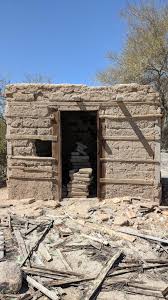
Someone had a dream at one time…or at least a good idea!
DESERT GHOSTS
Originally Published the Week of Jan. 12, 2022 in Western Outdoor Publications
I’ve always had this weird (not creepy) thing about looking at (and into) people’s houses.
At the time I’m writing this, we’re driving across country to the fishing and hunting shows in various cities around the western U.S. We’ve exhibited at these shows from January to April for almost 30 years to talk to folks about fishing with our company in La Paz.
We have our booth packed up and are on our way to the Wild Sheep Foundation Show in Reno, NV. Over the past 3 days, we’ve driven across Texas, New Mexico and Nevada.
My wife Jill is driving and I’m tapping out on my laptop.
And looking at people’s houses.
I like to guess what they do. I’m intrigued by their story.
Why they happened to plant themselves in this particular area near that particular town.
Or in the middle of nowhere.
I look at what’s in the yard. Kid’s toys? A rusty swing? A bunch of old cars? An RV? Five later model cars and a mini-van? Or 5 cars on concrete blocks?
Is the yard done? Is there even a yard or just tumbleweeds and a cotton field in the back.
There’s a washing machine on the front porch of a single-wide modular. Or is there a swimming pool out back?
You can tell a lot.
Driving up and down Baja, I have that same fascination.
But, it’s not the occupied homes that I focus on.
It’s the empty houses.
Empty buildings have a story as well. And sometimes they talk.
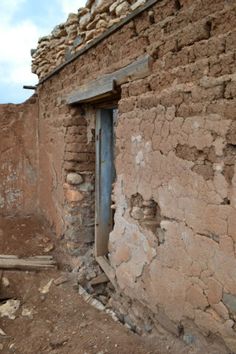
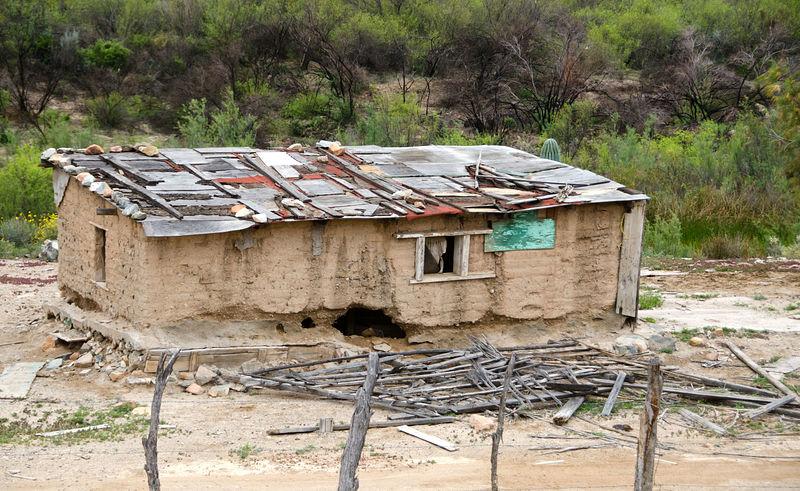
These are the abandoned homes and buildings standing ( or leaning) in the middle of the Baja landscape. You find them built on the side of a hillside. Or they are tucked onto the bank of an arroyo or still standing observant by the side of the highway.
Dilapidated. Wind, sun-baked and weather torn. Collapsing roofs and leaning walls. Warped and sandblasted wood. Maybe some leftover traces of color or paint.
The Baja is not kind to old buildings left unattended.
Fascinating head-scratchers. I wonder about those stories.
Why here? It’s the only house for miles. What were they thinking?
No obvious source of water. No towns or communities nearby to drive to…or if the house is that old… nothing nearby to walk to…or ride a cart or burro to.
Is this as far as the got? Is this where the donkey cart finally busted an axle?
Maybe the few small tree trunks stuck in the ground at crazy angles are evidence of an old corral.
Stone, bricks and adobe are handy.
How did the even get the wood to build? It’s not like Baja has a lot of treeworthy lumber around. Did the haul it here? From where?
Baja isn’t exactly known for its forests.
Occasionally, you find a small cluster of buildings. Or what’s left of them.
Perhaps an extended family. Again, why here? And what happened to them.
Maybe as often happens, parents settle. Raise kids in the hardscrabble environment. Kids move on as they grow up. Parents pass.
Or the parents pass and the dream of living in the middle of nowhere is not the dream of their progeny. They move on.
Buildings are abandoned.
I’ve never trespassed, but if it looks like it doesn’t matter, I like to stop. Normally, it’s not like anyone cares. There’s no one around for miles and I doubt the tumbleweeds or jackrabbits care.
But, poking around old buildings…they sometimes talk to you if you look.
A blackened brick outdoor firepit. A sign that there was probably no electricity when these folks lived there. They cooked outside.
No signs of plumbing of any kind.
Rough carpentry. Uneven door and window frames. No signs that glass ever filled those windows.
Old uneven hammered rusty nails protrude from splintering dried wood. These didn’t come from Home Depot. They look like tiny sharpened spikes…handmade. Probably pretty precious back in the days.
In fact, there are signs that furniture and parts of the buildings may have been bound together with what remains of rope or old leather strips.
I find an old bent spoon in what would have been a dirt floor.
I have found an old coin or almost rubbed smooth and largely unidentifiable.
There are dark patches along walls where perhaps candles or old fuel lanterns once burned.
I found lots bleached fish bones around the back of one building. They ate fish? We were 10 miles from any body of water.
I once found two old crosses and a weathered upright stone marker side-by-side. They were in the shade of an old scrub tree back behind what may have been an old shed or barn.
Nearby the remains of a cracked clay vase that long ago may have held desert flowers. A family cemetery?
Whoever lived in these places are long gone and forgotten. But, there was a story here at one time.
I think in some sense, moving through these old living spaces makes them somewhat more real. A reminder that real people and families once lived here. Had dreams here.
And moved on. While the desert moves back to reclaim everything.
That’s my story!
Jonathan
______________
Jonathan Roldan has been writing the Baja Column in Western Outdoor News since 2004. Along with his wife and fishing buddy, Jilly, they own and run the Tailhunter International Fishing Fleet in La Paz, Baja, Mexico www.tailhunter.com.
They also run their Tailhunter Restaurant Bar on the famous La Paz malecon waterfront. If you’d like to contact him directly, his e-mail is: jonathan@tailhunter.com
Or drop by the restaurant to say hi. It’s right on the La Paz waterfront!
Originally Published the Week of Dec. 13, 2021 in Western Outdoor Publications
Christmas time in Baja.
Specifically, here in La Paz where we live and have our businesses.
On so many levels, the air is definitely different this year. And, on so many levels, it’s easier to breathe.
It’s palpable
Practically speaking, masks are pretty much down. Exhale. Inhale. Exhale again. It’s been awhile.
You can probably relate. Feels pretty good not to talk through a piece of cloth. Or trying to figure out what you were saying to me!
I have a hard enough time understanding Spanish or trying to make sure my Spanish was correct. Let alone trying to do it through a mask!
And hey! That’s a smile under there. I was tired of just looking at your eyes!
The pandemic hit Mexico especially hard. It whacked Baja really hard, especially for an economy that depends so heavily on tourism.
Seventy percent of the population lives hand-to-mouth. It’s a cash economy. No one is on anyone’s books.
If you have a job, most get paid in cash or what you can sell. Conversely you pay cash as well.
Cash. No checks. No credit card. No bank account .
What’s in your pocket at the end of the day is how you feed yourself and your family. And back home, that could be a lot of folks living in a small space.
No school. No computers. No Netflix. Beaches closed. Stores closed. Restaurants closed. Curfews enforced. Entire areas completely off-limits.
Sit and stare at the rest of your family for days-on-end.
If you were actually on someone’s payroll and that business closed it’s doors during pandemic, that was just tough luck.
No feel-good stimulus checks. No unemployment checks. It doesn’t work like that in Mexico.
No money . No food . Simple as that.
Last Christmas, there wasn’t a lot of hoo-haaa.
So much lingering uncertainty . Many places and events still closed. Even churches were closed.
Fast forward to Christmas 2021.
This year, most of Mexico is now in the green level. It’s been a long transition from being in the red.
In our city of La Paz, I’ve heard it’s got one of the highest levels of vaccination. Something like 85% of the population has their shots.
Tourists are flocking to Mexico, in general, and Baja, in particular. It’s a quick hop from the U.S. No need to quarantine or prove you’re vaccinated to enter.
The dollar is strong. Mexico wants you. Mexico needs you. There are deals to be had. The world is figuring out Mexico is a good value as well.
The border is “officially” open now. Technically, it’s been closed since early 2020 although it was easy enough to drive across. But, it deterred many visitors from…well…visiting!
So, there’s a reason for optimism in the air.
You can just tell walking around town.
It’s good to see decorations and lights again. It’s good to see people in the stores and restaurants.
There are actually real live people hanging out on the beaches again. Not just police shooing people away or giving out tickets.
Even Mexicans are travelling. It’s OK this year to go see family and friends.
The surest sign of hope and optimism…I saw a wedding and a baptism at our local cathedral.
And that’s the difference. There’s a subtle sense of joy in locals and visitors alike. They’re enjoying themselves! Not looking over their shoulders or over masks.
Yes, people are gathering.
We may have this virus with us for a long time. Things will probably never be like it was, but there’s an actual air of hope.
You can feel it. You can breathe it.
It probably makes the health officials cringe. And government officials cautiously tippie-toe on eggshells hoping the other shoe doesn’t drop on the merriment or economy.
But, for now, it’s a good time to enjoy the smiles.
A good time to appreciate the moment. A time not to be taken for granted. A time to appreciate each other again and how precious simple freedom is to each of us.
It can be fleeting. As we saw only a year ago. Poof…gone!
I’m not talking about political freedom.
It’s even more basic.
The simplicity of walking where we want to walk. Taking a big unhindered breath. Going where you want to go. Shake a hand. Give a hug. Eat dinner with the family.
Hold a child.
This is the precious air you can gratefully breathe this Christmas.
May it wrap and surround you and yours.
Revel in it. Amen.
That’s my story! May you and yours be blessed this holidays and Christmas.
Jonathan
______________
Jonathan Roldan has been writing the Baja Column in Western Outdoor News since 2004. Along with his wife and fishing buddy, Jilly, they own and run the Tailhunter International Fishing Fleet in La Paz, Baja, Mexico www.tailhunter.com.
They also run their Tailhunter Restaurant Bar on the famous La Paz malecon waterfront. If you’d like to contact him directly, his e-mail is: jonathan@tailhunter.com
Or drop by the restaurant to say hi. It’s right on the La Paz waterfront!
Originally Published the Week of Nov. 5, 2021 in Western Outdoor Publications
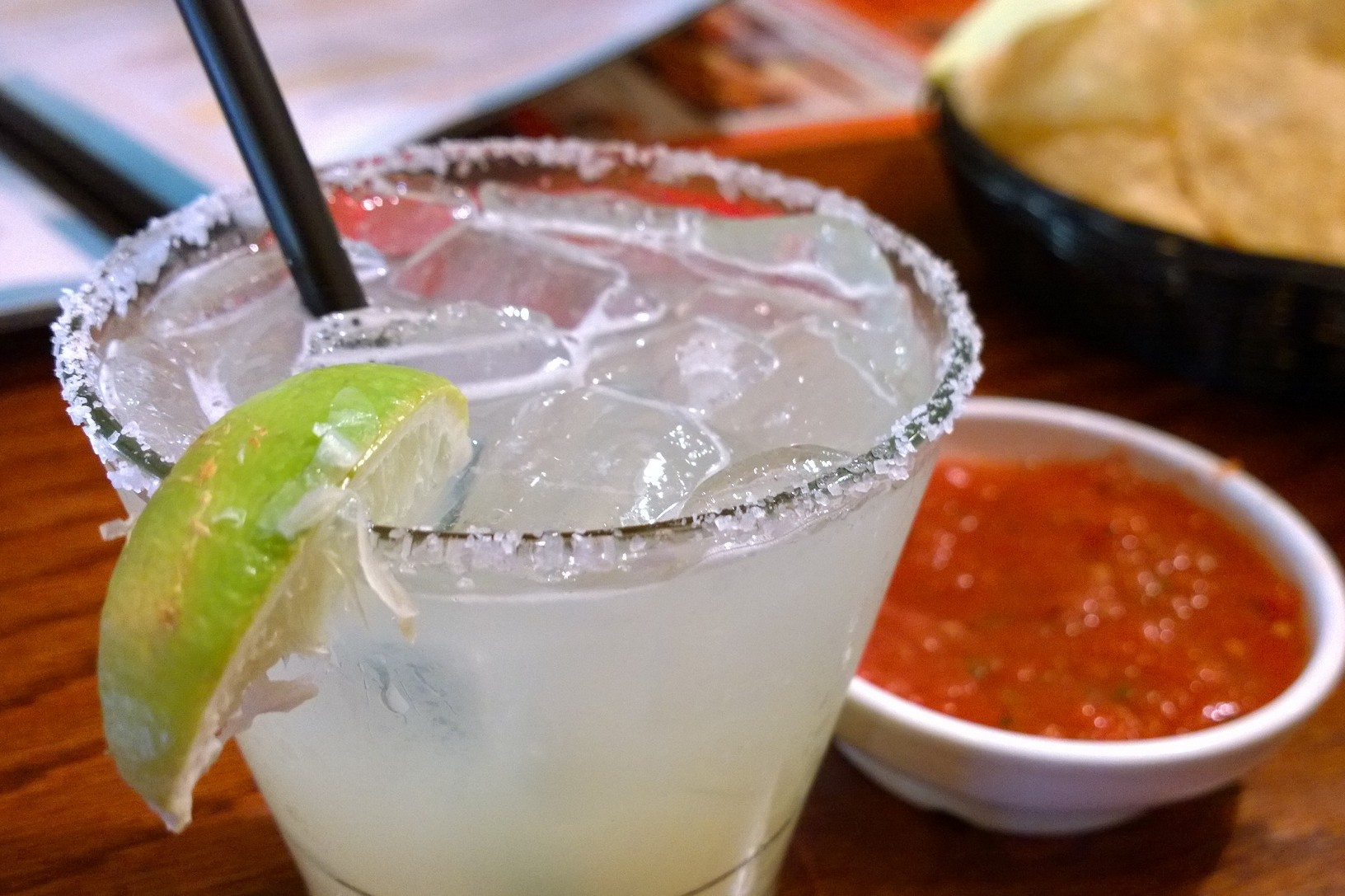
As the owners of our own restaurant in La Paz for over a decade and then living in Baja for almost 30 years, we’ve seen a lot of margaritas made and consumed.
It’s interesting to note that most of the locals won’t touch tequila or margaritas. When I’ve offered it to them at our restaurant, they (perhaps wisely) wag their fingers at me and smile. “No, gracias!”
I think they know better and I also think they enjoy watching the gringos go at it. I mean, if you’re going to Mexico, it’s your “go-to” drink.
Seemingly, as soon as folks walk off the plane, vacation has not started until they have one of those high-priced margaritas served in a plastic cup at the bar just outside the terminal. Am I right?
“Whoo-hooo, Honey! We’re in Mexico. Hot dang!”
I’d estimate that at our restaurant, 95% of the margaritas are ordered by tourists. Personally, I think we make a pretty good margarita.
We cut our own limes. We make our own lime juice (no bottled mix). Our tequila does not come from a plastic jug behind the bar. We cut our own fruits and make our own syrups.
Just like anything else, good fresh ingredients result in a better product.
But, in the spirit of “research and development”, not to mention it’s a great way to actually write-off the cost of drinking margaritas, my wife and I have gone to numerous places to “test drive” margaritas.
Here’s the deal. We go to someplace that’s known for their margaritas and as a tourist destination…Cabo San Lucas…Puerta Vallarta…Maui…San Diego…San Antonio Texas…and others.
All in the name of “research and development,” as mentioned.
We do our own version of a margarita crawl.
The purpose is not get drunk and buzzed. However, I will admit it is sometimes a happy by-product of our in-depth research! We go from bar-to bar at supposedly the places with the best margarita reputation.
We ask for their house margarita.
We take a sip or two. If we don’t like it, we pay for it and walk away without finishing it. Move onto the next place.
And so-forth-and-so on.
Spoiler alert. Here it comes.
It is amazing that some of the places that are known to be great margarita-makers literally serve absolute JUNK! Most places, we honestly can’t finish them.
But tourists don’t know any better.
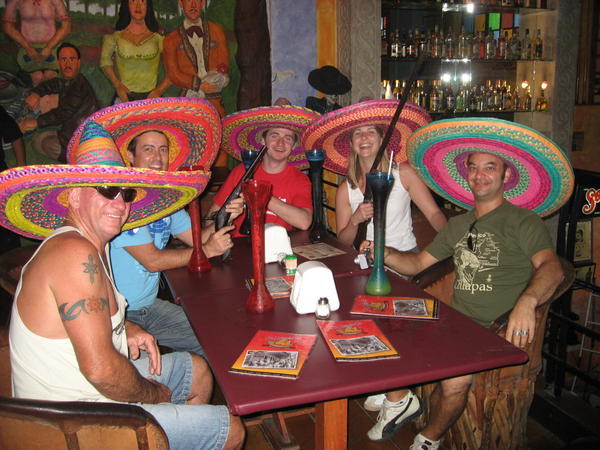
They buy margaritas the size of birdbaths or chug them with their chips and that’s pretty much the extent of it. Or it’s what happens to be in their hands sitting at the pool bar all afternoon.
Admittedly, there are a few places where Jill and I take a sip and then look at each other. And another sip to make sure. Surprise! OK…not bad at all. There’s some decent stuff out there.
But, again as mentioned before, it starts with the ingredients.
If volume selling to tourists or catering to the “buy-one-get-the-2nd margarita- free” crowd is the intent, the customers aren’t going to be very discriminating.
They have no idea nor do they really care that they’re drinking a mix or that the tequila comes from a jug. It’s got ice. It’s got salt. We are having a large fun time!
“Let’s party, Baby. Afterwards let’s go buy a sombrero and one of those sarape blankets and a hammock to bring back to Montana.”
Honestly, nothing wrong with that. Vacation fun is vacation fun. Good on them! But, you get the idea.
If you really want a better margarita, here’s a few tips.
Yes, it will cost a tad more. So figure that.
For one, ask for real lime juice. Not “Jose’s Fiesta Lime Juice” in a bottle or jug. Get the real stuff if at all possible. It will make a tremendous difference.
Ask what kind of tequila they’re making your margarita with. In fact, ask to see the bottle!
There are 3 kinds of tequilas.
Silver (Plata) is clear. It has not been aged or not more than 2 months.
Resposada is slightly amber. Reposada means “rested” and it has been aged in a barrel up to one year.
Anejo means “old.” This tequila has been sitting for awhile aging for more than a year and is much darker.
The older the tequila, the richer and more full-bodied the taste.
That doesn’t mean it’s the best for tequila.
Personally, we feel that the Silver/ Clear plata tequila is best for mixing cocktails. It’s got a clean flavor that blends nicely with other ingredients.
I like the Reposada and Anejo in a shot glass or snifter. It’s meant to be sipped or I especially like it with a cigar at sunset!
While checking out the bottle, make sure it’s REAL tequila! The real stuff must be from the blue agave plant and, by law, may ONLY be produced in the regions of Jalisco, Guanajuato, Michoacán, Nayarit, and Tamaulipas.
I’m not being snobby here.
Good tequila does NOT have to be expensive to make a good margarita. Like wines or beers there are so many great and inexpensive brands.
A fancy bottle does not necessarily mean a good tequila. Conversely a good tequila doesn’t have to be in a fancy bottle either.
However, like most liquors, the more expensive sipping tequilas do taste better and smoother. But, that’s OK because I’m not using the good stuff to do slammers or shots with buddies!
Life’s too short for bad margaritas! So are vacations.
That’s my story!
Jonathan
______________
Jonathan Roldan has been writing the Baja Column in Western Outdoor News since 2004. Along with his wife and fishing buddy, Jilly, they own and run the Tailhunter International Fishing Fleet in La Paz, Baja, Mexico www.tailhunter.com.
They also run their Tailhunter Restaurant Bar on the famous La Paz malecon waterfront. If you’d like to contact him directly, his e-mail is: jonathan@tailhunter.com
Or drop by the restaurant to say hi. It’s right on the La Paz waterfront!
Originally Published the Week of Nov. 22, 2021 in Western Outdoor Publications
No one likes surprises when they travel. Travel can be pretty stressful as it is. Even moreso, travel during the holidays is also high anxiety time.
As luck would have it, I got to fly back to Texas from our home in La Paz to spend Thanksgiving with my wife and family. After not having a day off pretty much since last April, I couldn’t wait to jump on a plane.
As usual, I went to obtain my covid test within 72 hours of my flight.
In case you missed it or haven’t traveled internationally, since January, anyone entering the U.S. on an international flight MUST show a negative Covid test result within 72 hours of the flight.
No biggie.
Quick swab of my schnoz takes a few minutes and results pop up on your cellphone within the hour.
We’ve had hundreds of fishing clients for our Tailhunter Fleet in La Paz over the past season. It’s a little inconvenient, but just part of travelling these days along with so many other protocols we live with.
Everyone gets one then goes happily on their way back to the U.S.
So, I was all set. I had my passport, ticket, and my covid results for travel the next day.
I went to check in online and get my boarding pass and get a notice that curled my toes!
The CDC has implemented NEW RULES as of Nov. 8 for international travelers entering the U.S.
Basically, if you have been vaccinated, you still need to show a negative covid test result within 72 hour of your flight home. The problem is if you have NOT been vaccinated.
I have not been vaccinated. In fact, I’m getting it THIS week in Texas. There was no rush.
I had Covid bad last year. I’ve tested positive for the anti-bodies. I didn’t want to get vaccinated in Mexico. I’ve been there solid for 8 months.
Understandably, I’d much rather get any shots or vaccinations in the U.S. with my own doctors.
Well, the new rule requires that ALL UN-VACCINATED persons MUST show a negative covid test within 24 HOURS of the flight. Further, I had to attest that upon arrival, I would self-quarantine for a few days. Plus, I had to promise that I would get the vaccination within 60 days of arrival.
Yikes!
So, I had to run back to the testing lab in La Paz and get a 2nd negative covid test. I know the staff there and they were surprised that I returned for the 2nd time in 2 days.
They were surprised at the explanation and had no knowledge of the new rules. However, they graciously expedited my results.
The other bump in the road is that the online check-in does not work if you have not been vaccinated. Therefore, instead of TWO hours checking in before your international flight, it requires you check in FOUR hours before your flight to show your paperwork.
My flight was at 11:00 a.m. from Cabo.
Normally, I would arrive about 9 a.m. for a flight like that. Since it’s 3 hours drive from La Paz, that means leaving about 6 a.m. to head to the airport.
With the new regulations, I had to leave at 4 a.m. to get to the airport by 7 a.m.
Grrrrrr….talk about adding stress to a travel day.
Once I was there, it was easy. The folks at the airport were more than helpful and since the early days of the pandemic have tried to alleviate all the confusion and stress.
There are assistants everywhere directing travelers to the correct places or helping with forms and documents. Everyone I’ve ever run into speak English.
I’m glad I got there early, even if it was a pain. I’m glad I knew about the new rules BEFORE I got to the airport or there was a good chance I would have been denied travel.
So, bottom line is this:
If you have not been vaccinated, you must obtain a negative covid test with 24-hours of your flight for anINTERNATIONAL flight.
You must check in at least 4 hours ahead of your flight.
Plan ahead and hopefully, you’ll have a smoother easier travel day.
By the way, after more than a year-and-a-half, the border is now open as long as you can show proof of vaccination.
That’s my story!
Jonathan
______________
Jonathan Roldan has been writing the Baja Column in Western Outdoor News since 2004. Along with his wife and fishing buddy, Jilly, they own and run the Tailhunter International Fishing Fleet in La Paz, Baja, Mexico www.tailhunter.com.
They also run their Tailhunter Restaurant Bar on the famous La Paz malecon waterfront. If you’d like to contact him directly, his e-mail is: jonathan@tailhunter.com
Or drop by the restaurant to say hi. It’s right on the La Paz waterfront!
Western
Outdoor News
Western Outdoor News Magazine
Pacific Coast Sportfishing
Discover Baja Magazine
Baja Life Magazine
The Log
Fish Taco Chronicles
Sportsman's Channel Magazine
His articles also appear in:
San Diego Union Newspaper
Los Angeles Times Newspaper
Sacramento Bee
San Francisco Chronicle
















 That's My Story