Originally Published the Week of Sept. 16, 2020 in Western Outdoor Publicaitions
License plates say a lot about certain areas.
Arizona’s plates proclaim the “Grand Canyon State.”Georgia’s plates tell you they have a lot peaches.
Minnesota wants you to know that they’ve got “10,000 lakes.” The “Corn State” is Iowa. Easy one.
I’m not quite sure about South Carolina as “the iodine state?” Hmmm…
Anyway, you get the gist.
Baja California’s license plate tells you it’s the “Frontera”. The Frontier.
Back in the day, almost 3 decades ago, when I first showed up down here in Baja, It surely was. On my first trip diving down by myself, it was not without some trepidation.
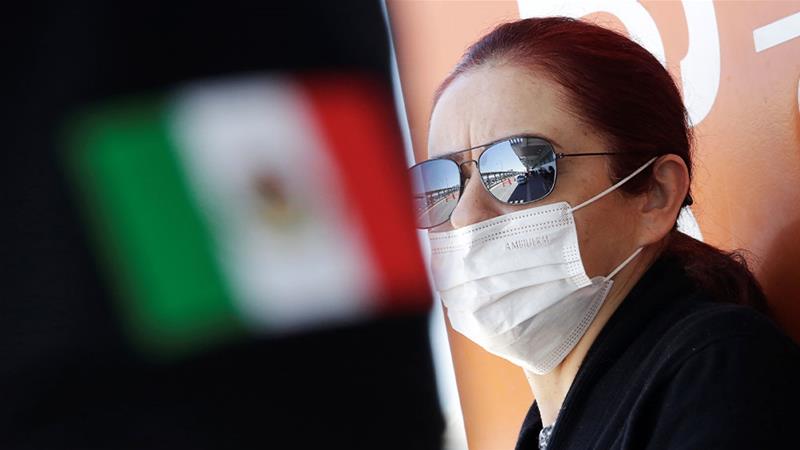
Armed with Auto Club Maps, tour books, extra water, gasoline, engine hoses and belts, shovels and even extra toilet paper, I sallied forth across the border. And there was no mistaking when you came across that threshold at Tijuana.
You were indeed, NOT in the U.S. any longer.
It looked different. It felt different. Even the Mexican air felt different.
And when you finally broke out past the dusty concrete block buildings; tire shops; mom-and-pop taco stands and roadside vendors and into the open arid desert heading south, you were on an adventure.
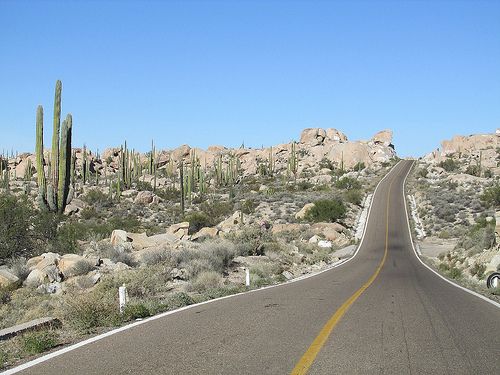
That desert went on for endless miles. It still does.
Over the many years, it has continued to be an adventure. And to live down here in those days, meant living on a much narrower margin of error than back in the U.S.
If you needed something, you didn’t just go down to the mall or Home Depot. If something broke, you fixed it or did without.
If you had to get from Point A to Point B, you had to ask yourself, how essential was it to get there? Did you have enough gas? Could you even buy gas? Did you even have transportation? Many is the time I walked…and walked…and walked s’more!
Finding the simplest thing could take an entire day driving from place to place.
Everything had to be planned and calculated.
You actually had to plan meals way in advance.
Running out’ve tomatoes or sugar wasn’t as simple as getting to the nearby grocery store. Maybe you’re out’ve water. Even more critical.
Even if you got there, there was no guarantee that they even had tomatoes or sugar…or water!
Things weren’t fixed by a simple phone call or checking the internet. There was no internet. No cell phones.
You could wait days or weeks for the simplest of services.
Initially, this took some getting used to. As Americans we’re used to having everything there at our fingertips.
But, living in Mexico took some adjustment. And for me, living out in the Mexican countryside made things double-hard…or at least incredibly inconvenient. You just learned to get along without…or adapt.
It could get frustrating. At times, it could be precariously dangerous or urgent. It still is for a majority of folks down here.
We used to love it when a friend would travel back to the states. They carried lists of all the things that could be (dare-I-say) “smuggled back” down to Baja.
Please bring me music cassettes, a tool, a pair of shoes, some fishing line…Sports Illustrated Swimsuit Issue…American food! Sausage…cheese…jerky…maple syrup…coffee!
Friends and clients used to actually bring famous In-N-Out hamburgers down to me from California. They were cold and greasy, but what a treat!

I would hoard and eat by myself where no one could see me devilishly inhaling that cold burger like a little pack rat. It was manna from heaven!
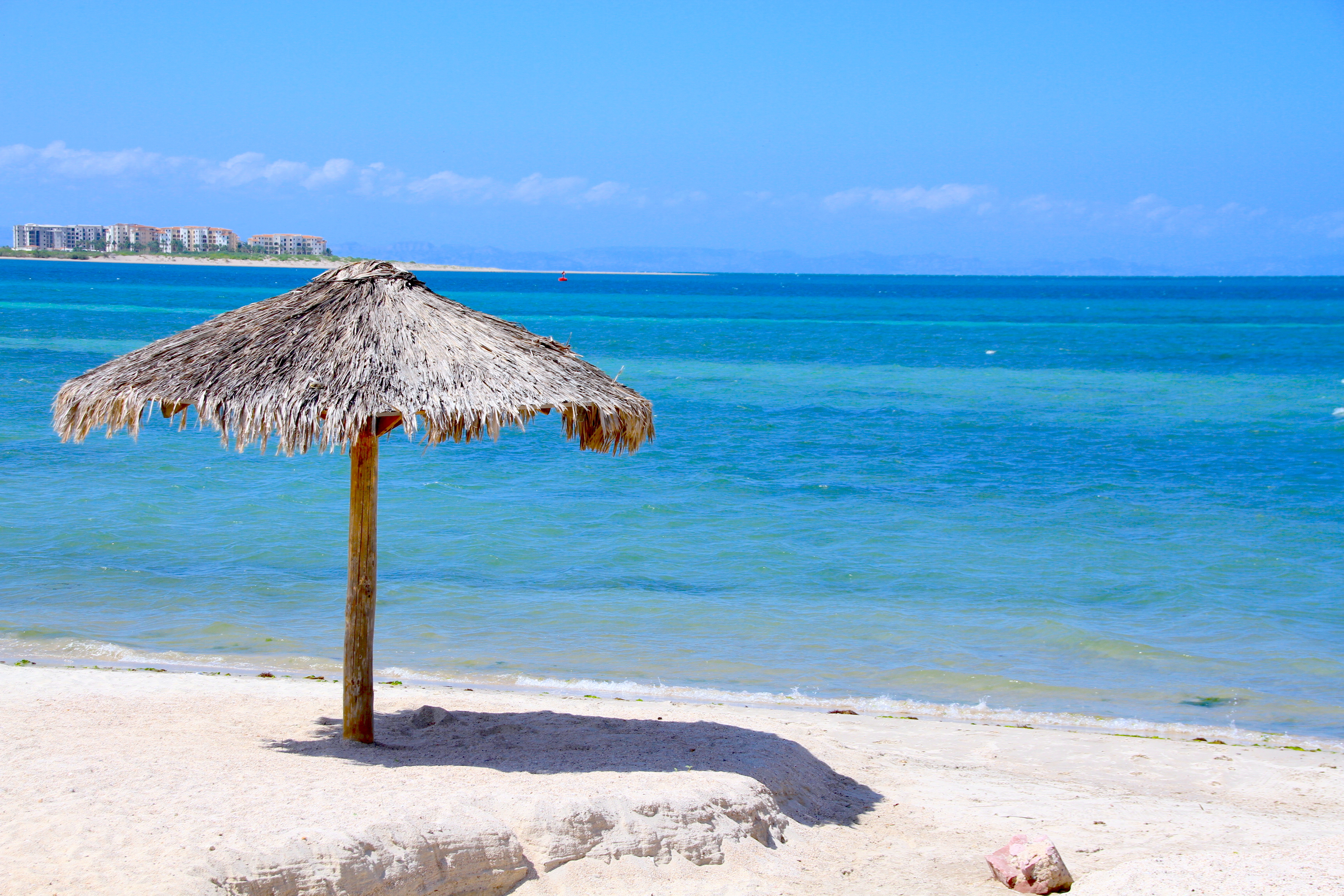
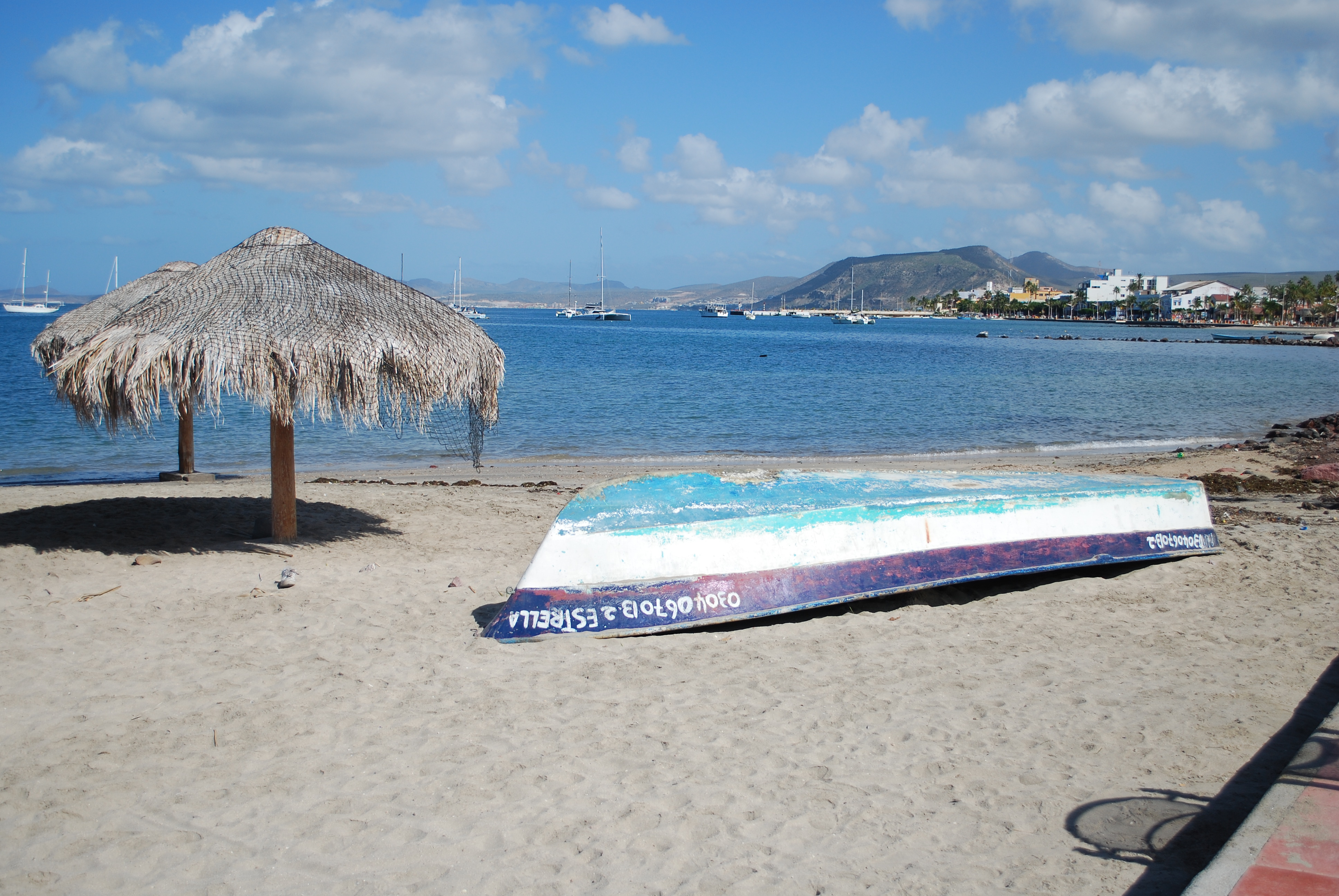
All of these things were the trade-off for being able to live by the ocean in a beautiful place.
That was living in the “frontera” of Baja.
Fast forward 2020.
Transportation?
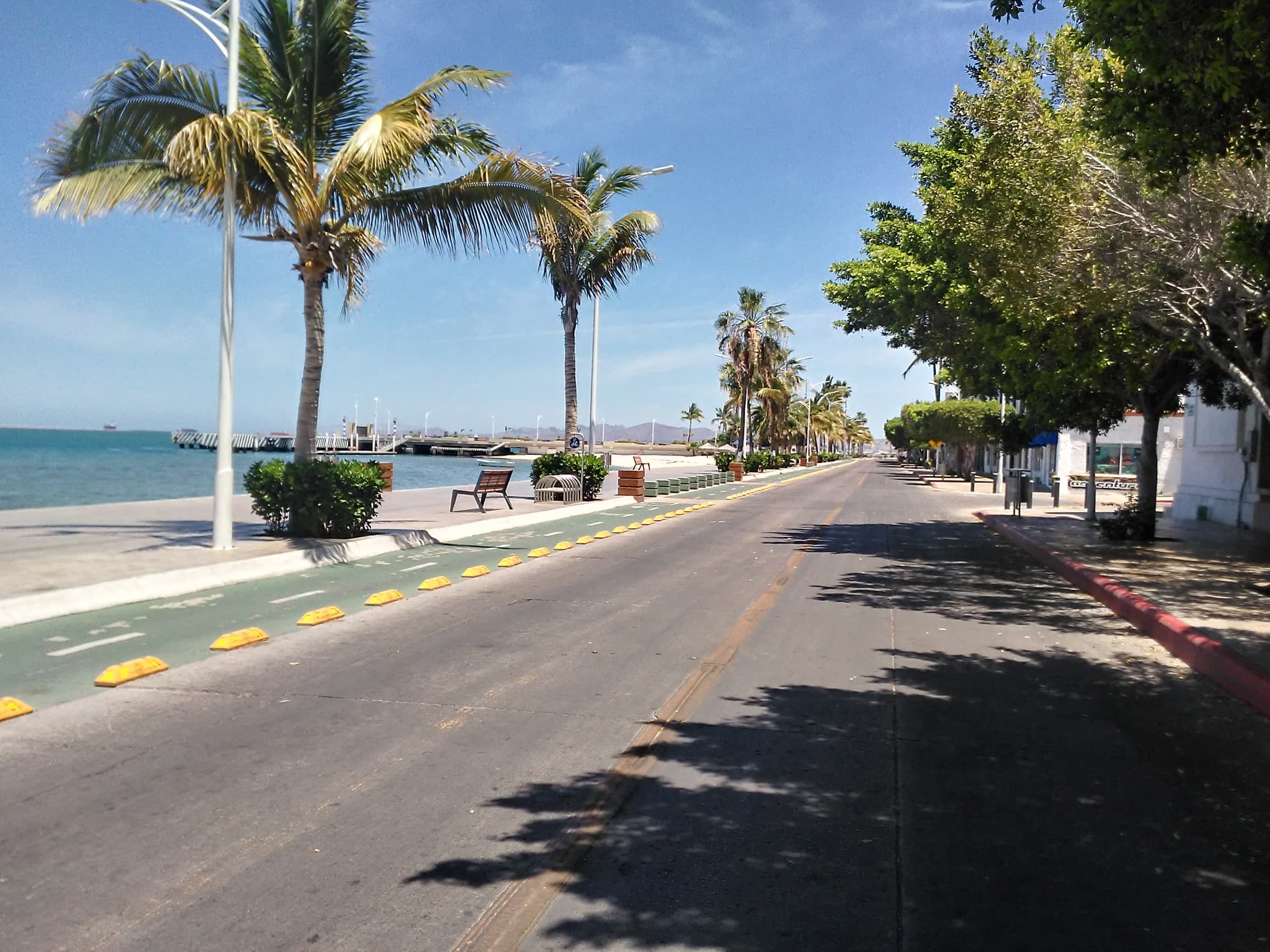
A good number of my office staff arrive by Uber. Clients make their way around town or arrive at our restaurant by Uber. Need to get somewhere? It’s as easy as tapping out the app on your cellphone.
Three years ago, there were 8 Uber cars here in La Paz. Now, it seems half the population is an Uber driver.
You don’t have the ability to get bigger or smaller vehicles or share rides, but compared to transportation even 5 years ago, Uber is a no-brainer. It’s just good solid transportation for a fraction of the cost.
Locals don’t have to take crowded buses or walk. Visitors don’t have to rent cars or take expensive taxis.
My own car is good for about 5 miles. That’s it. Then it overheats. Uber has been the answer.
In fact, I don’t even need to spend/ waste a day hunting for many things anymore.
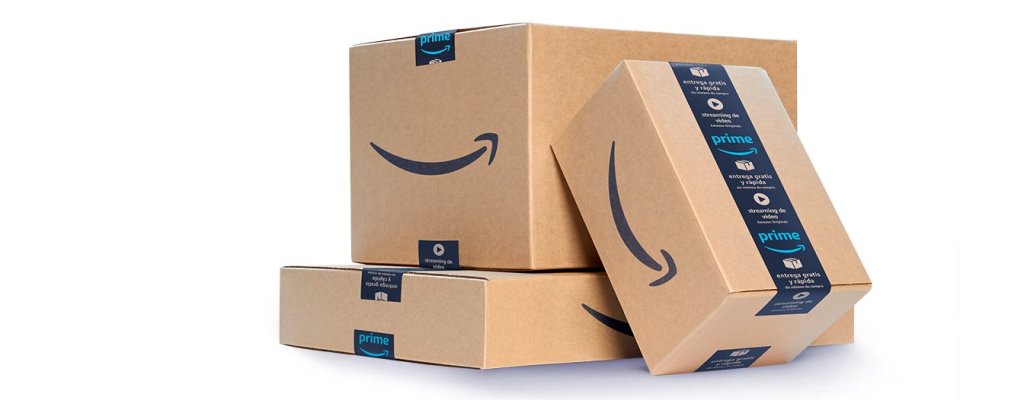
As I write this in my office, the delivery man just dropped off an Amazon box.
Yes the magic “A” word! Danger! Danger!
Thank you. Finally. Got that coffee bean grinder we “really” needed.
Let me put it over there with the box that came yesterday with the special diet cat food for our rescue cat; wine bottle openers for our restaurant; and the new electric toothbrush.
All “essential” things!
The day before that, they even delivered on Sunday. Got that cool set of patio lights; a new folding stepstool and even guitar strings! Waited two-whole days for that delivery!
Yes, convenience has arrived. And it’s been a game changer, even a life saver.
They’re making it too easy. And easy to get spoiled.
Progress and technology in Baja. Living the dream!
Now, if only they could deliver one of those In-N-Out burgers hot! Hopefully, another story for another time.
That’s my story!

Jonathan
Jonathan Roldan’s
Tailhunter Sportfishingwww.tailhunter.com
Mexico Office: Tailhunter International, 755 Paseo Obregon, La Paz, Baja Sur, Mexico
U.S. Mailing Address: Tailhunter Sportfishing8030 La Mesa Blvd. #178, La Mesa CA 91942
Phones:
from USA : 626-638-3383
from Mexico: 044-612-14-17863
“When your life finally flashes before your eyes, you will have only moments to regret all the things in life you never had the courage to try.”













 That's My Story