Feeds:
Posts
Comments

Posts Tagged ‘panga’

“IN THE PRESENCE OF GIANTS”

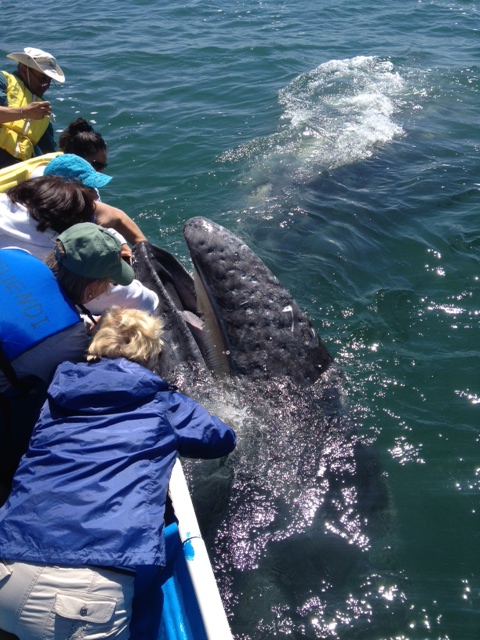
Deb_&_whale

A moment of clarity ?

IN THE PRESENCE OF GIANTS

Originally Published in Western Outdoor Publications the Week of March 5, 2014

“Look deep into nature and you will understand everything better.”

Albert Einstein

Oooo!  Wow!  Oh my!  Lookit!  It’s coming right to us!

Squeels.  More ooo’s and ahhhs!

But, then everyone jostled to the starboard side of the panga. Whoa!  For a moment there was an air of apprehension as everyone hung on.

But Mexican pangas are built for stability and although there was a bit of a list, attention quickly focused on what was making it’s way towards us.

For most of us, we grow knowing we’re at the top of the heap.  We are the  apex of intelligence, power and the food chain.  Master of all we see.  Conquerors of time, space and dimension.

That is, until we’re suddenly faced with the fact that there are creatures larger and stronger than us.

That is, until those creatures are not behind some cage in the zoo giving us a false sense of security.

That is, until one of those creatures is right next to us and literally smack in our laps!

Looking at us.  And we touch it. And in some cases, it tries to touch us.  And maybe communicate with us?

Something like a whale.  Even a 15-foot baby…and it’s uh…its 40 foot mom!

And both were rising and approaching like two big grey submarines towards our awestruck panga full wide-eyed-cellphone-camera-snapping eco-tourists.

You feel small.  And vulnerable.  And utterly amazed.

This isn’t a video.  This isn’t the Discovery Channel or Animal Planet or National Geographic.  Or Sea World.

We’re not in the safety of our Lazy-Boy lounger in the living room in front of the big-screen.

We’re in Mexico. The light hum of the panga outboard is real.   The water and the salt air is real. The sun and breeze on your cheeks isn’t virtual reality. The smell of damp things from the ocean is real.

We’re not outside the aquarium.  We’re on the other side of the glass today.    And we’re in the presence of giants!

And then, the magic happens.

The mom stops just a few feet from our panga.  And the calf comes right up.  And stops and raises his head.  And it’s eye opens and you can swear it’s looking right at you with seemingly the same wonder that that you have for it!

And you reach out and you touch the rough skin and other hands also touch and scratch the youngster.  And in those few moments, you feel like you’re doing more than just touching.  It seems to transcend just a touch.

Two seeming intelligent creatures from different worlds…one above and one below the waters… reach across the abyss of eons and it’s unlike anything you have ever experienced.

Is the little calf really smiling and enjoying the scratches.  Is it wondering about the funny creatures in the floating panga as much as we wonder about it?  Can it sense us?  In some cosmic way, are we communicating?  Will we ever?

Whether one believes in a divine being or creator, I’ve never known anyone to come away from the experience without feeling something very special and different has happened or feeling humbled by the magnificence.   For many, it certainly gives new perspective to our place on the planet.

Every year from approximately, January to March, the gray whales arrive at in Baja at the end of the longest migration of any animal on earth.  Starting at the Bering Sea up by the Arctic Circle, they arrive in Bahia Magdalena, Scammons Lagoon and San Ignacio, three warm water lagoons on the Pacific Coast of Baja.

Once, almost hunted to extinction, they now arrive by the thousands, to breed, mate and give birth.  It is estimated that some 20,000 whales now make the seasonal migration to these protected areas.  In the 1800’s it was once suggested that they exceeded more than 100,000 in population.

But, these areas provide an incredible opportunity to get close to observe these magnificent creatures.  For many, it’s a once-in-a-lifetime experience and the calm, protected sanctuaries make an ideal place to see dozens of whales a day on many occasions.

Baja is currently experiencing perhaps one of it’s best whale-watching seasons in years.  If you have a chance, take a trip.  Look into an inquisitive eye of a creature larger than yourself.  Be in the presence of gentle giants.  And perhaps come away understanding a little bit more about so much more.

That’s our story!

Jonathan

Jonathan signature

_______________

Jonathan Roldan has been writing the Baja Column in Western Outdoor News since 2004.  Along with his wife and fishing buddy, Jilly, they own and run the Tailhunter International Fishing Fleet in La Paz, Baja, Mexico  www.tailhunter-international.com.  They also run their Tailhunter Restaurant Bar on the famous La Paz malecon waterfront.  If you’d like to contact him directly, his e-mail is riplipboy@tailhunter-international.com  or drop by the restaurant to say hi!

______________

Jonathan Roldan’s

Tailhunter International


TAILHUNTER FISHING FLEET #1 Rated on Trip Advisor

TAILHUNTER RESTAURANT BAR #1 Rated in La Paz on Trip Advisor


Now follow us on FACEBOOK TOO


Website: www.tailhunter-international.com

U.S. Office: 8030 La Mesa, Suite #178, La Mesa CA  91942

Mexico Office: 755 Paseo Obregon, La Paz, Baja Sur, Mexico

Phones:

from USA : 626-638-3383

from Mexico: 044-612-14-17863

.

Tailhunter Weekly Fishing Report:

http://fishreport.jonathanroldan.com/

Tailhunter YouTube Videos:

http://www.youtube.com/user/pangapirate

“When your life finally flashes before your eyes, you will have only moments to regret all the things in life you never had the courage to try.”
Read Full Post »

Tackle Packing & Juggling

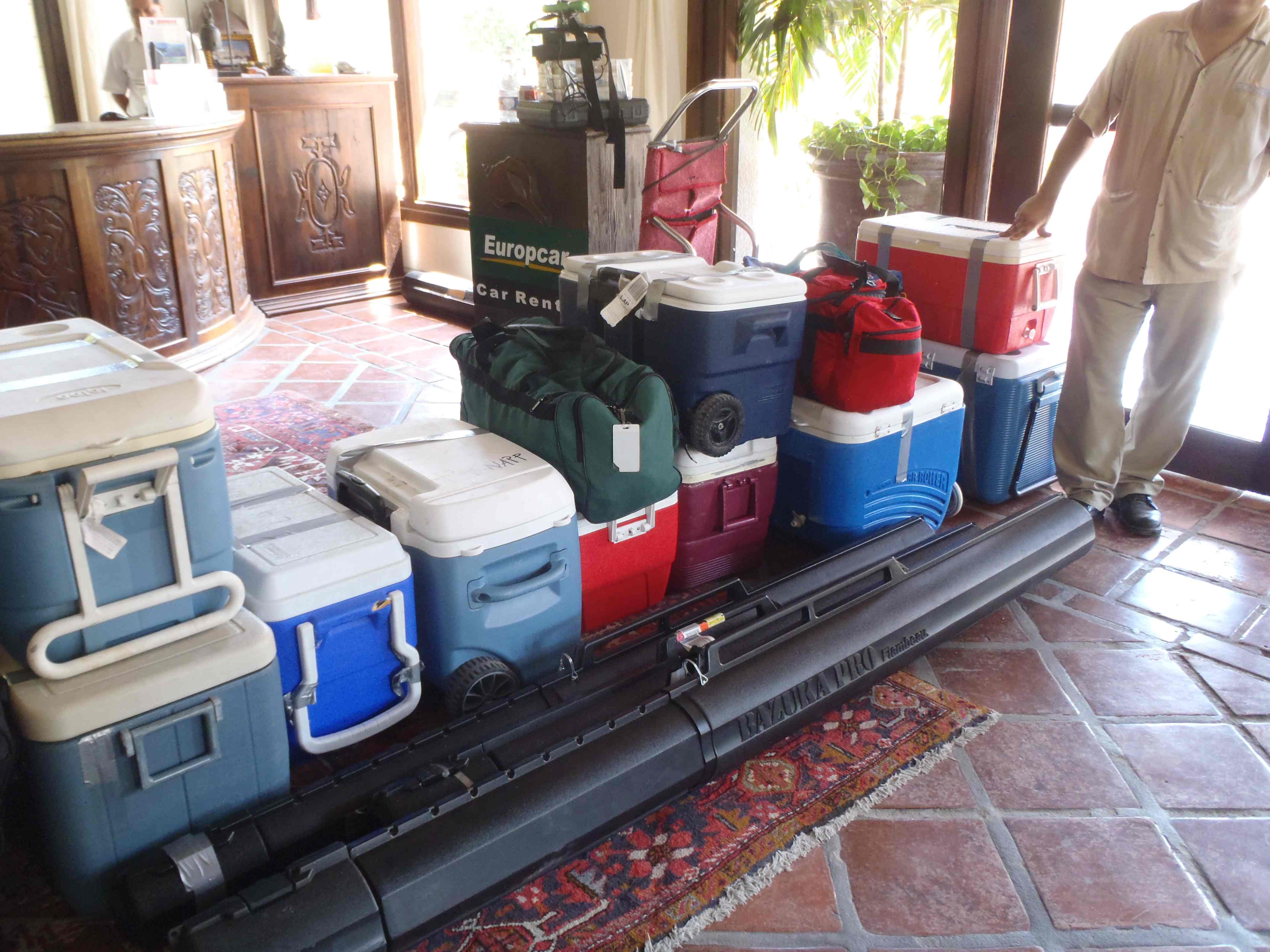
OLYMPUS DIGITAL CAMERA

There’s a right way and a wrong way to pack for a fishing trip to Baja. And then, there’s EASIER ways to do it right!


“TACKLE PACKING & JUGGLING”

Originally Published the Week of Feb. 18, 2014 in Western Outdoor News

It’s an irritation, but something we’ve gotta learn to live with these days.  Like taking your shoes off at the airport.   Like having your expensive shampoo taken away at check-in.

I’m sure greater and bigger minds than ours have figured out why they are important aspects of airline travel these days.   We empty  and open our bags and pass our stinky shoes through the conveyer belt and do our little spin in the x-ray scanner.  Like the hokey-pokey.  That’s what it’s all about.

One thing for sure is that the days of free luggage are something we use with words like “back in the day” and “in the olden days.”   The more you bring, the more you’ll get charged.

It kinda makes you cry as you stand in your garage and you look at all your custom rods, reels, feathers, jigs and other toys.   You want to bring them ALL!

Almost 30 years ago, I remember my first trip flying to Baja.  I took 10 rods and reels  (two tubes); a tackle box that weighed about 50 pounds and almost 30 marlin lures (that my buddy had borrowed from WON editor Pat McDonell who didn’t know who I was at the time!).   Oh, and two 85-quart ice chests as well.  And this was for fishing in a panga for only 2 days!

Nowadays, you get one piece of luggage.  If you’re lucky.

Economy airlines charge for each piece of luggage.

Rod tubes are oversize.  Pay extra.  Cha-ching!

Reel bags too heavy.  Pay extra.  Cha-ching!

Ice chest…even with nothing in it.  Pay extra.  Cha-ching!

But, a man must do what a man must do and the fish are calling!  So, we just have to think from a different angle.  Consolidate and downsize.

Before purchasing your airline tickets, find out if the airlines has a special luggage allowance you can purchase.  Some airlines (Volaris comes to mind) allows you to pay a little extra up-front when you purchase your tickets online.

This allows you to bring more luggage and more weight for a fraction of the cost.  If you just walk up to the counter with all the extra weight, they charge BY THE POUND!

For example, we had some clients who purchased $200 round trip tickets to fish with us in La Paz.  We told them to purchase the extra luggage allowance.  They declined to do so.

When they flew back to the U.S. they had several very full ice chests.  It cost them almost $600 to fly the fish back.   OUCH!

For practical purposes, take a look at your own gear, if you’re planning to travel.

“Back in the day” multi-piece travel rods were junk.  Nowadays several very good manufacturers and a number of custom rod wrappers are making some super 2 and 3-piece travel rods in varying lengths and strengths.

Many of them come with handy cases and can literally be carried in the overheads or packed into suitcases.  They even make break-down trolling rods.

For reels, here’s my suggestion.  Pair it down to some essential reels.  Match your reels to what you’ll be fishing for.  You don’t need a bowling ball-heavy 5/0 wide reel if you’re going to be fishing inshore in 100 feet of water.  With the new aluminum reels and their horse-strong drags, you can use smaller/lighter reels to get the job done.  Even for trolling.

I would also suggest putting spectra on the reels then put 150 yards of mono top-shot on them.  That way if, for example, the 40-pound test mono isn’t working, all you have to do is change the top-shot to whatever line is the hot ticket for the bite.   You won’t need a separate reel for that.

For terminal gear, be practical.  If you’re only fishing 3 days, you don’t really need 500 hooks of all sizes.  You don’t need 20 throwing irons.  You don’t need 10 feathers of all colors.   If you can, contact your outfitter ahead of time and find out what’s really working.  Bring the essentials.

While you’re at it, pow-wow with your fishing partner.  Consider packing all your rods together.  In one tube.  Each of you doesn’t need to bring a whole set of lures, hooks and other essentials either.  You can both share and thereby cut down on weight and gear.

As for bringing the fish home,  if you’re like me, it always irritated me to pay to bring an empty ice chest down to Mexico.  Paying for air?  C’mon!

What I’ve been suggesting lately is using the newer soft-sided coolers that are airline rated heavy duty;  keeps things frozen for days; and can be folded and packed into your suitcase on the way down.

We’ve had one made by American Outdoors that has worked like a champ for about 5 seasons.   Another nice thing is that these weigh less than a traditional cooler.  Since most airlines limit you to 50 pounds on luggage,  you can get more actual frozen fish in a soft-cooler than a hard-sided cooler that weighs 8-20 pounds with wheels on them.

One last thing.  In the old days,  my buddies and I brought down one or two sets of shorts and t-shirts with us.  That was it.  Our motto was, “if you can’t wash it in the sink, don’t bring it.”  That was a great way to save room for more tackle.

Of course, that was in the days when my buddies and I were all bachelors.

That’s our story!

Jonathan signature

Jonathan Roldan has been writing the Baja Column in Western Outdoor News since 2004.  Along with his wife and fishing buddy, Jilly, they own and run the Tailhunter International Fishing Fleet in La Paz, Baja, Mexico  www.tailhunter-international.com.  They also run their Tailhunter Restaurant Bar on the famous La Paz malecon waterfront.  If you’d like to contact him directly, his e-mail is riplipboy@tailhunter-international.com  or drop by the restaurant to say hi!

______________

Jonathan Roldan’s

Tailhunter International


TAILHUNTER FISHING FLEET #1 Rated on Trip Advisor

TAILHUNTER RESTAURANT BAR #1 Rated in La Paz on Trip Advisor


Now follow us on FACEBOOK TOO

Website: www.tailhunter-international.com

U.S. Office: 8030 La Mesa, Suite #178, La Mesa CA  91942

Mexico Office: 755 Paseo Obregon, La Paz, Baja Sur, Mexico

Phones:

from USA : 626-638-3383

from Mexico: 044-612-14-17863

.

Tailhunter Weekly Fishing Report:

http://fishreport.jonathanroldan.com/

Tailhunter YouTube Videos:

http://www.youtube.com/user/pangapirate

“When your life finally flashes before your eyes, you will have only moments to regret all the things in life you never had the courage to try.”
Read Full Post »

“SOMEONE TOOK THE TIME!”

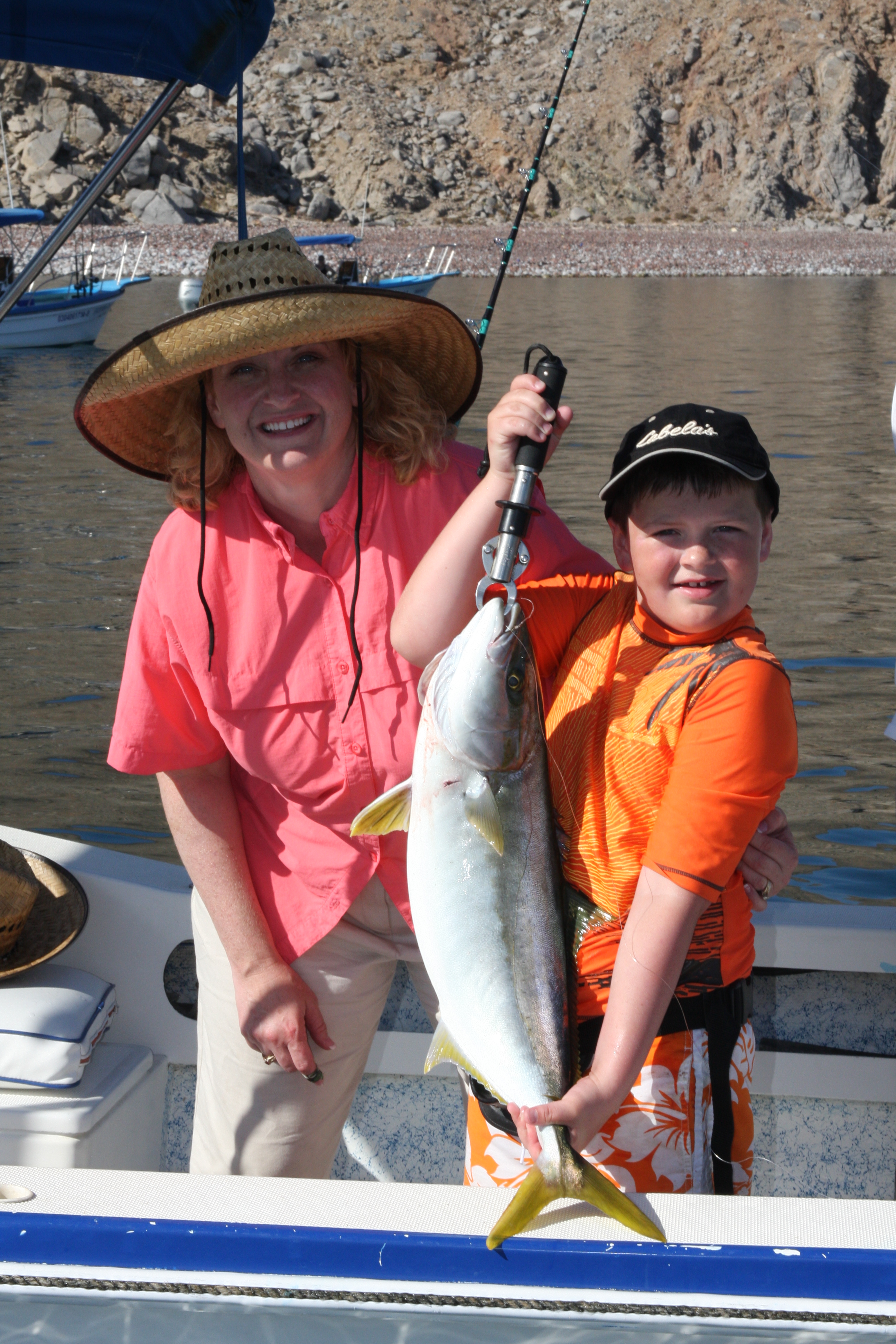
Tailhunter Mexico 2011 452

For all of us…our affinity for the outdoors had to start somewhere and with someone!

SOMEONE TOOK THE TIME!

Originally Published the Week of January 23, 2014, in Western Outdoor Publications

As I write this, I’m in a motel room in downtown Denver.  We just finished our first day at the Denver Convention Center for the International Sportsmans Expo.  It’s annual  the big fishing, hunting and outdoor show.

We have our booth here every year promoting our fishing operation in La Paz and there’s several hundred other booths here as well with operations ranging from Canada to South Africa and the Amazon River to South East Asia.

Last week we were in Sacramento at a similar show.  From here we zoom off down the highway to another show near Seattle.

And so it goes for 3 months of the year.  A different show in a different part of the  country every week.  This year, eleven cities.  Fifteen thousand miles of driving.   Talking to thousands of fishermen, hunters and travelers and outdoor folks.

In many respects, these shows are a gathering of tribes.  There’s  outfitters and fleet owners.. .guides and captains. . .mountain climbers and deep divers. . .hunters and gatherers.

They’re a unique blend of the last of the outdoor frontier people who make their livings at the whims of nature.  In some ways, the best of the best.  You have to be well-above the norm to make a go of taking others out on the mountains, plains, jungles, rivers and oceans of our vast planet.

I’ve been at it now some 20 years.  Others have been at it 30 and even 40 years and it takes a pretty special individual…some would even say nut or knucklehead to have lasted that long.

Many of us have known each other for many years and during these several months of shows, it’s good to re-connect.  Find out about each others’s seasons and families.  Who survived another season.  And who had to fold up their tents.

But, it’s great to see our Baja and Mexican compadres.  Yes, even our competitors.  There’s the folks from Mazatlan and Cabo San Lucas.  Our amigos from the East Cape, and Loreto, Ensenada and San Felipe.  Cedros Island and points obscure, but each in their own way ecking out a living south of the border.

But, I noticed something else.  We’re getting older.

The first generation of resort and fleet owners like the Chuy Valdez’s and the Bobby Van Wormers of the East Cape…Tony Reyes of the Tony Reyes Fleet…and so many others, have either passed on or have given way to the 2nd generation of owners.

And many of those operators themselves are getting longer of tooth as well.

And I don’t see too many to follow.   The next generation doesn’t seem to be there to fill in the ranks.

As a matter of fact, as I stand in my booth and watch the hundreds and even thousands of visitors pass by or stop to talk,  I see a lot of seniors.  I see a lot of older guys…guys like me.

I don’t see many below the age of thirty!

I don’t see many kids at these shows.  I don’t see many teens.  Often, if I see a family, it’s a dad with the family in tow.  Mom and the kids trail behind while dad gets to have a day to shop.

Mom and the kids honestly look like they’re rather be at the mall or anywhere rather than trailing dad, but they’re indulging him.  Just like so many dads wait patiently for wives and moms buying shoes or kids trying on clothes.

The kids themselves often have noses buried in smartphones and thumbs tapping away as they walk down the aisles.   They show little or no interest in the marlin trips; backpacking outfitters;  white water rafting adventures or scuba diving boats.

It’s too bad.

I would venture to say that almost all the the vendors working in their booths and most of the visitors walking the aisles.share a commonality.  They share the fact that somewhere back in the day, an adult showed them how to tie a hook…how to aim a gun…how to build a campfire…how to pitch a tent or ride a wave.

Simpler times.  Grand times.  The BEST of times!

That’s where it started.  With an adult.   A father, grandfather, uncle or brother.   Scout or church leader…even moms!  And we don’t have that anymore.   That commonality is gone among the youngsters.

Parents are too busy these days just trying to keep things together.  Or the facilities or open spaces you that were so easy for you and I as kids just aren’t there or as abundant…or as fun.  I’m talking about the beaches, boats, rivers, mountains and wilds that you and I just took for granted as kids.

Conversely, kids are different too.  You and I often played in the outdoors because that’s just what we did.  We didn’t have the distractions now of social media, cable TV, techno toys and so many other things that fill the lives of our kids.

If we weren’t already headed outdoors, Mom was kicking us out the door with a , “Go play outside and don’t come back until dinner time.  Stay outta the house!”

So, we grabbed our fishing rods, our skates, our hiking sticks, our bikes, our bb-guns our tennis shoes…and we went out and got dirty!  The outdoor world wasn’t the scary place it can be now.  We also didn’t have to travel across town to find quality places to play.  The outdoors was often right off the back porch.

It was what we knew.  It’s what made us.

If you have a chance, find out about one of these outdoor shows in your community.  Bring the family or the kids.  Do it TOGETHER. Take the time.  You only get once chance.

That’s my story!

Jonathan signature

Jonathan

_______________

Jonathan Roldan has been writing the Baja Column in Western Outdoor News since 2004.  Along with his wife and fishing buddy, Jilly, they own and run the Tailhunter International Fishing Fleet in La Paz, Baja, Mexico  www.tailhunter-international.com.  They also run their Tailhunter Restaurant Bar on the famous La Paz malecon waterfront.  If you’d like to contact him directly, his e-mail is riplipboy@tailhunter-international.com  or drop by the restaurant to say hi!

______________

Jonathan Roldan’s

Tailhunter International


TAILHUNTER FISHING FLEET #1 Rated on Trip Advisor

TAILHUNTER RESTAURANT BAR #1 Rated in La Paz on Trip Advisor


Now follow us on FACEBOOK TOO


Website: www.tailhunter-international.com

U.S. Office: 8030 La Mesa, Suite #178, La Mesa CA  91942

Mexico Office: 755 Paseo Obregon, La Paz, Baja Sur, Mexico

Phones:

from USA : 626-638-3383

from Mexico: 044-612-14-17863

.

Tailhunter Weekly Fishing Report:

http://fishreport.jonathanroldan.com/

Tailhunter YouTube Videos:

http://www.youtube.com/user/pangapirate

“When your life finally flashes before your eyes, you will have only moments to regret all the things in life you never had the courage to try.”
Read Full Post »

“CIRCULARLY SPEAKING”

circlehook_jhook

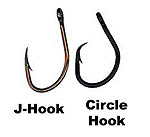
The conventional “J” style hook and the obvious differences in the “circle” hook.

release-right-main

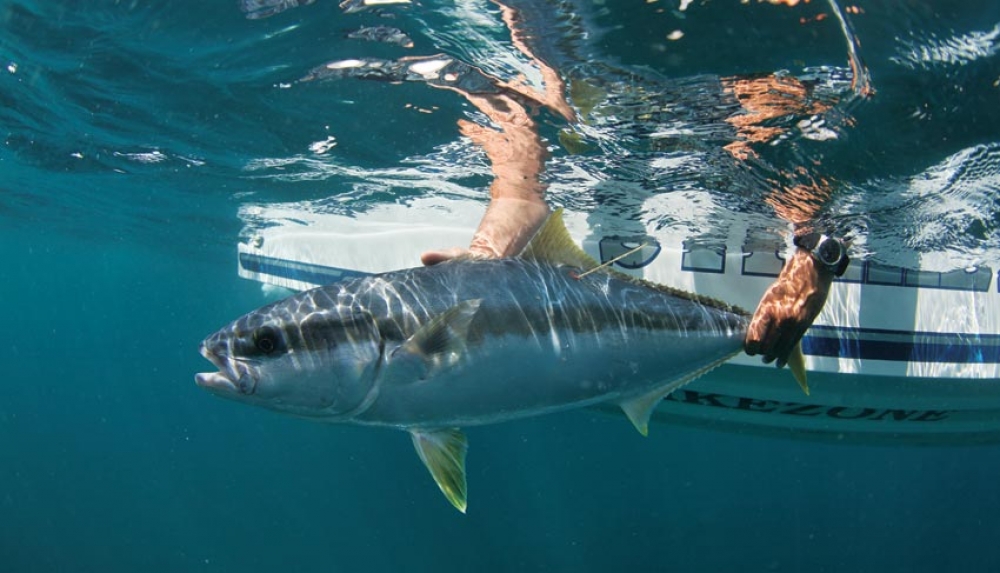
Circle hooks make it easier to set the hook on fish resulting in more hook-ups but even moreso, make it easier to release your catch!

CIRCULARLY SPEAKING

Originally Published in Western Outdoor News the Week of January 9, 2014

Over the years, I get a lot of e-mails with comments and criticism about things I’ve  written or suggestions for things I should write about.   In all the years I’ve been writing this column, I don’t think I’ve ever actually responded publically to some of the questions.

There’s some really good ones too.  And I ALWAYS respond.  But, it occurred to me that if one person is asking something, then there’s probably a number of folks who have the same questions.  So, maybe it would be good to sometimes put it all in the column.

A recent e-mail is what got me thinking.   It came from “Jerry” from Aptos CA.

He said, “ In so many fishing magazines , the writers always write as if all the readers are experienced.  I’m not a rookie, but I recently got into salt water fishing and want to learn more.  I just made my first trip to Baja and guys were talking about ‘circle hooks.’ What are they and do I need them?”

It’s actually a question I get more often than you think.   So, if you know all about circle hooks,  this is one time you can just internet surf to something more entertaining to read!

Let’s see…what are circle hooks and what do you do with them?

Circle hooks are distinguished from “J” style hooks that have a long straight shank, by a shank that’s curved. Plus the sharpened point faces towards the shank.  Hence the “circle hook” moniker.

They have been in use for ages by commercial fishermen, but only in say the last 10 or 15 years have they really caught on with sportfishermen.   In Baja, they’ve taken a little longer to get a toehold, but their use is growing.

Their popularity can be attributed to the growing interest in catch-and-release fishing.  Basically, fish hooked with a circle hook have a much higher incidence of survival when taken in this manner.

Here’s the deal.  With a regular “J” style hook, fish get hooked in the lip, the gill, the gut and deep in the throat.  Deep enough and it’s a chore to get that hook out without damaging the fish.

Or, the hook outright kills the fish.

Damaged fish,  just don’t do well once released.  Even the time spent handling the fish and removing the hook is detrimental to it’s survival.

It’s tired.  It’s suffocating.  It’s losing important protective slime and scales.   Put it back in the water and it’s gonna be a floater, no matter how well-intentioned you are as an angler.

Now, with the circle hook, the nifty part is that 99% of the time, the hooks slides right into the corner of the mouth when it’s set.   It’s not damaging organs.  The hook comes out relatively easily and the fish has a much better chance when returned to the water.

Often without even touching the fish, grasping the hook with pliers allows one to shake the fish right back into the water without actually handling the fish.  Pretty cool.

The trick is the hook set.

When setting the hook using a circle hook, the trick is “not to set the hook!” One must actually act counter-intuitively.    Circle chooks literally set themselves.   It’s a great mistake newbies make with the circle hooks.  Setting the hook yourself screws it up!

With a traditional hook, the angler “swings” the rod back and “sticks” the fish to set the hook.  With a circle hook, the hookset is virtually automatic.

When the fish picks up the bait, the angler merely puts a little pressure on the spool.  Then point the tip of the rod at the running fish and flip the brake.  The line will come tight.  A slight lift of the rod sets the hook!  Just like that.   You’re on!

There’s no dramatic swing of the rod as in using a conventional hook.   And that’s where the experience comes in.  The newbie gets nervous or excited and when he or she feels the bait picked up, they set the hook with a big swing of the rod.   That’s what their intuition tells them.  SET THE HOOK!

FAIL!

What that does is jerk the hook right out of the fish’s mouth.  Adios pescado!

Take your time.  Calm down.  A little patience and you’ll get the fish resulting in more hookups…even if you plan to keep the fish…since the hook up is automatic.  Then, if you plan to release the fish, the hook design allows for an easier release.  What could be better?

In my experience, many captains I’ve known in Baja were reluctant to use the circle hook or frowned on clients using the hooks.  There were two reasons.

One is that the captains and crews themselves didn’t understand the funny looking hook that actually looked like a defective design.  I’ve seen them cut them off client’s lines and toss them away with disdain.  And tie on a regular hook!

Second, and perhaps more importantly, is that clients would miss fish by incorrectly setting the hook.  That resulted in less fish.  Unhappy clients.  Less tip money.   An economical reason!   Remember, every captain out there is also a businessman too!

But, over the last few years, the popularity of the circle hook has grown.   Captains and crews themselves, especially the younger ones, understand the importance of catch-and-release.  It’s a matter of preserving their own livelihoods and the resource.

However, more anglers are also becoming more knowledgeable as well.  And with that, the stigma of using them appears to be diminishing.

Give them a try next time!

That’s our story!

Jonathan signature

_______________

Jonathan Roldan has been writing the Baja Column in Western Outdoor News since 2004.  Along with his wife and fishing buddy, Jilly, they own and run the Tailhunter International Fishing Fleet in La Paz, Baja, Mexico  www.tailhunter-international.com.  They also run their Tailhunter Restaurant Bar on the famous La Paz malecon waterfront.  If you’d like to contact him directly, his e-mail is riplipboy@tailhunter-international.com  or drop by the restaurant to say hi!

______________

Jonathan Roldan’s

Tailhunter International


TAILHUNTER FISHING FLEET #1 Rated on Trip Advisor

TAILHUNTER RESTAURANT BAR #1 Rated in La Paz on Trip Advisor


Now follow us on FACEBOOK TOO

Website: www.tailhunter-international.com

U.S. Office: 8030 La Mesa, Suite #178, La Mesa CA  91942

Mexico Office: 755 Paseo Obregon, La Paz, Baja Sur, Mexico

Phones:

from USA : 626-638-3383

from Mexico: 044-612-14-17863

.

Tailhunter Weekly Fishing Report:

http://fishreport.jonathanroldan.com/

Tailhunter YouTube Videos:

http://www.youtube.com/user/pangapirate

“When your life finally flashes before your eyes, you will have only moments to regret all the things in life you never had the courage to try.”
 

Read Full Post »

“Through the Looking Glass”

IMGA0082

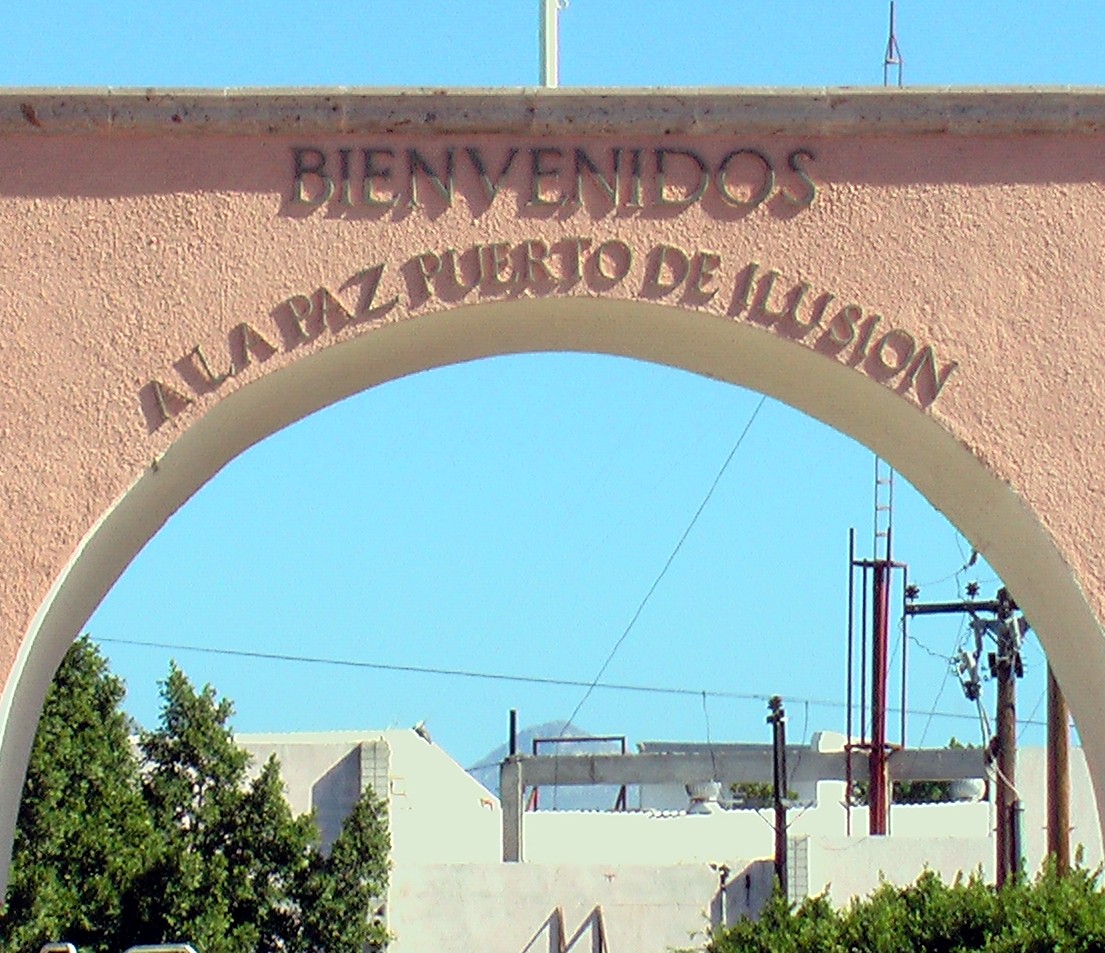
The famous arch on the public pier in La Paz welcoming visitors to the “Port of Magic.”

“THROUGH THE LOOKING GLASS”

Originally Published the Week of Oct. 15, 2013 in Western Outdoor News

Here in La Paz, we call the waterfront area, the Malecon.  It’s the Mexican equivalent of “fisherman’s wharf” in so many ocean-front areas in the U.S.  And, like it’s counterparts north of the border, the malecon is a hub of commercial and social activity.

Restaurants, stores, cantinas and tourist shops dot the area and cater to the numerous locals and tourists enjoying the mile-long stretch of beach and concrete boardwalk.

Smack dab in the middle is the city pier.  At the entrance to that pier is an arch proclaiming “Bienvenidos al Puerto de Illusion” (Welcome to the Port of Magic).

I never really gave it much thought.  Just another chamber-of-commerce slogan to welome tourists.  Yawn.  Lo que sea (whatever).   A bit like U.S. towns annointing themselves the “Cucumber Capital of the World” or “The Place Where Teddy Roosevelt Went to Middle School.”

And I live and work in the “Port of Magic.”  Right.  OK.

And for about 10 months of the year, we are myopically focused on running our fishing business and restaurant 24/7.  Boats in and out.  Clients and amigos coming and going.  Flights to catch and meet.  Luggage and fishing gear hauled and carried.  Fish to be packed and frozen.

We’re out’ve salsa.  The  pork ribs didn’t arrive. There’s a busted toilet.  The beer truck only brought half our order.  The drummer in the band is sick.  Two TV’s are don’t work and we have a full house for football games.

Did I just hear a bunch of glasses shatter? What do you mean we have no tortillas tonite?  Which panga just broke down?  Your buddy just heatstroked and needs a doctor?  No, I don’t know where you put your passport!  I don’t know why the bait is so small this year.   Yes, it’s OK to drink the water.

It’s crazy.  It’s hectic.  We’re little gerbils on a treadmill.  We love our lives and are immeasurably blessed.  But, after months with zero days off, we’re human.

We bump into walls.  We growl at each other.  Patience is thin. Sometimes our smiles aren’t as ready or as genuine as we would like.    How many times can I answer, “Where are the tuna?”  or “So, how come the captains don’t speak English?”

But every now and then the cosmos send down a message that gives us pause to remember where we are and what we really do.

It happened just this week.   Rick was on his 2nd trip in two years with us here at Tailhunters.  He’s a fireman.  He pulled me aside one evening at the restaurant.  He grabbed my hand in his big paw, shook it and gave me a big brotherly-bear hug.

“Hey man, I just want to thank you for having me here, “ he said sincerely.

“Oh sure, glad you’re having a good time!” I replied somewhat generically.  I was kind of in a hurry and didn’t really have a long time to chat.  The restaurant was filling up and I was expecting a big load of arrivals from the airport.  My anxiety was a little piqued.

“No, Jonathan, I really appreciate being here with you and Jill, “ he replied a bit quietly.  He wouldn’t let go of my hand.  “This place stitches my soul.”

Pause.  He looked at me eye-to-eye.  It slowed me down.  “Stitches my soul?”

“I’m a fireman.  I see a lot of things.  For a few days a year, being here in Baja helps put my soul back together.  For a few days on a boat and with my friends, it helps me make sense of things again.  When, I’m fishing my reality is simplified down to a bit of nylon string and a bit of bait.   Things start to make sense again.  It’s my happy place.  It helps me do what I do the rest of the year.  Thanks, man.”

With that, he gave me another bear hug  and let go of my hand.  He grinned and went upstairs to join the rest of his amigos already into their beers.

I stood there in my own moment.

Stiches my soul.  A place where things make sense again.  His happy space.

It’s good to remember that this isn’t just about how many fish you catch.  It’s not about “just a vacation.”

There’s often a bigger picture here.  I have to remind myself that we’re especially blessed to be part of it.   It’s indeed a magic place and a magic space through which we pass.  Vamos al Puerto de Illusion!  Find your happy place, amigos.

That’s my story

Jonathan

_______________

Jonathan Roldan has been writing the Baja Column in Western Outdoor News since 2004.  Along with his wife and fishing buddy, Jilly, they own and run the Tailhunter International Fishing Fleet in La Paz, Baja, Mexico  www.tailhunter-international.com.  They also run their Tailhunter Restaurant Bar on the famous La Paz malecon waterfront.  If you’d like to contact him directly, his e-mail is riplipboy@tailhunter-international.com  or drop by the restaurant to say hi!

______________

Jonathan Roldan’s

Tailhunter International


TAILHUNTER FISHING FLEET #1 Rated on Trip Advisor

TAILHUNTER RESTAURANT BAR #1 Rated in La Paz on Trip Advisor


Now follow us on FACEBOOK TOO


Website: www.tailhunter-international.com

U.S. Office: Box 1149, Alpine CA  91903-1149

Mexico Office: 755 Paseo Obregon, La Paz, Baja Sur, Mexico

Phones:

from USA : 626-638-3383

from Mexico: 044-612-14-17863

.

Tailhunter Weekly Fishing Report:

http://fishreport.jonathanroldan.com/

Tailhunter YouTube Videos:

http://www.youtube.com/user/pangapirate

“When your life finally flashes before your eyes, you will have only moments to regret all the things in life you never had the courage to try.”
Read Full Post »

“You Mean I Can Keep It?”

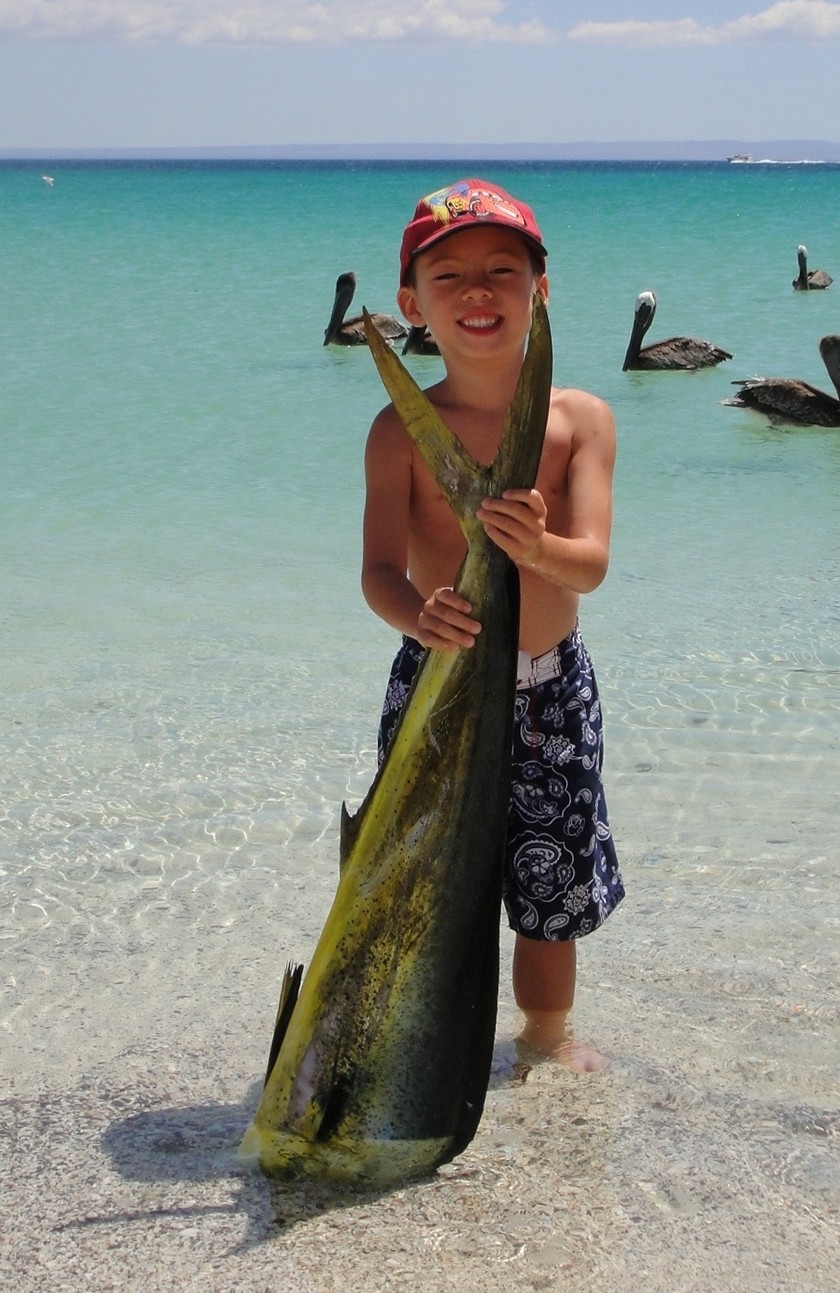
What do you think?  It looks to me like Aiden's self-esteem is just fine!

Yes…I think we can bring this one home!

You Mean I Can Keep It?

Originally Published the Week of September 20, 2013 in Western Outdoor News

You Baja veterans should probably just web surf something else.  This might be old stuff to you.

But, often when you do something so long or something is “old hat” you forget that there’s still newbies out there who have valid questions about things that old Baja rats like us take for granted.

It’s a simple, but important issue.  I receive enough e-mails and phone calls asking if it’s OK to bring home fish.

Sometimes, my auto-response in my brain says, “Well..duh…that’s kinda dumb!  That’s like asking me if it’s OK to dip you chips in salsa!”

Of course, I can’t and would never say that because there are no such thing as dumb questions.  It’s a legitimate question and well-asked.   I mean, if you’re coming fishing in Baja, one would need to know if it’s OK to keep your catch.  Corollary to that, is it OK to bring some home!

But, I get asked about it enough as new folks are discovering Baja that I figured it was time to do another column about it and update my thoughts.

The question used to surprise me more.  But, having been in the industry now for almost 2 decades, us west-coast anglers might be surprised to learn that  there are many world-class fishing destinations that severely limit what you can keep.

Pay several thousand dollars a day and you get to keep say…one fish!  Or, you must release all fish.   Yes, it’s true!   For most of us who have fished the Baja since the age-of-dirt,  we pretty much always assume that as long as we’re within limits, everything hooked is coming home.

There may come a day when severe limits will be enforced, but that’s the subject of another column and someone with a lot bigger brain and bigger column than mine.

For now, the simple answer is yes, you may bring home your fish that you catch here in Baja.   As long as you’re within limits, by all means, bring some home.  Or have some cooked up while you’re still on vacation.  Nothing will taste better than fresh caught fish that was swimming around earlier that day!

Bringing fish home starts with taking care of the catch.  Treat it well and you’ll preserve the quality.

Once the fish is caught, if you can, have your captain or deckhand bleed it.  That’s not always possible when the action is fast-and-furious and lines are flying and it’s a three-ringed-water-circus out there.  However,  bled-fish…even lower-grade meat fish like bonito or skipjack will taste world’s better if it’s freshly bled.

Maybe the most important thing whether it’s bled or not is to keep it cold.  Warm water fish are…well…they’re warm!  As soon as they’re dead, like anything, they start to deteriorate.   And the hot Baja sun is not a friend to your future dinner!  Leaving a fish on the deck or even in a fish box without ice is pretty much like putting the fish in the oven.

So, at all levels from catch-to-stove or barbecue…keep your fish cold.  Ice is your buddy.   It’s a good question to ask when you book your trip if there’s ice aboard to keep your fish chilled.

After that, you need to store your fish while you’re still on vacation.

I see two cardinal sins all the time.  One is rinsing your fish in fresh water.  Or, even soaking it in fresh water.  That takes out all the flavor.  Secondly, the fresh water gets in and then freezes and now your have fresh water crystals in your fish which detracts from the quality and flavor.

Additionally, I often see people rinsing their fish in warm or tepid water.  Especially in Baja!  Water coming from pipes here is often very warm…or hot!  Amigo…not only is it fresh water, but moreso, you’re cooking your fish in the warm water.  If you have to use fresh water, make sure it’s cool water!    Ideally, clean saltwater is best.

The ideal method is to have your fish vacuum sealed.  It’s worth it!  Nothing is worse than beautiful fish fillets in a big giant frozen ball in your freezer.  You take it out and it’s either freezer burned or you now have a 10-pound ball of thawed fish.  And you really only need two fillets for dinner!  The rest get wasted.  Or the cats get it.

Vacuum sealing is the difference between fish that lasts a few weeks or fish that can last many months in your freezer so that your dorado caught in June tastes great in December!

If you can’t vacuum seal it, at least put it in good quality zip-lock style freezer bags.   Only put in what you’re planning to thaw for a meal.

An old Mexico trick is to put fillets in the freezer bag then lowering the bag into a bucket or sink of water.  The water forces the air out and then press the seal.  You get instant Mexican vacuum sealing!

Lastly, it’s really important to keep your fish in a good place while you enjoy the rest of your vacation.  As crazy as it sounds, we often encounter folks here who book their hotels and either do NOT have freezer or do not allow fishermen to store their catch.   That’s gonna be a buzz-kill.

Others, simply put, have crappy freezers that aren’t worth a hoot.   So, check on that.  The places that cater to fishermen or have a reputation for good fishing also have good storage facilities.  Or, if you’re booking through a charter operation, ask them about storing your fish in freezers.

Remember, that warm fish often takes awhile to freeze.  Or the freezers at a given hotel get a load of fish every night from all the anglers.  In even the best freezers it sometimes takes 24-hours to get solid.

If you’re leaving the next day, that could seem like a problem.  It’s not.  Put your least frozen fish on the bottom of your cooler.  Put your most frozen fish on the top (cold travels down).  Add extra insulation with crushed crumpled newspaper or your dirty fishing clothes and your fish will be fine!

That’s our story!

Jonathan

_______________

Jonathan Roldan has been writing the Baja Column in Western Outdoor News since 2004.  Along with his wife and fishing buddy, Jilly, they own and run the Tailhunter International Fishing Fleet in La Paz, Baja, Mexico  www.tailhunter-international.com.  They also run their Tailhunter Restaurant Bar on the famous La Paz malecon waterfront.  If you’d like to contact him directly, his e-mail is riplipboy@tailhunter-international.com  or drop by the restaurant to say hi!

______________

Jonathan Roldan’s

Tailhunter International


TAILHUNTER FISHING FLEET #1 Rated on Trip Advisor

TAILHUNTER RESTAURANT BAR #1 Rated in La Paz on Trip Advisor


Now follow us on FACEBOOK TOO

Website: www.tailhunter-international.com

U.S. Office: Box 1149, Alpine CA  91903-1149

Mexico Office: 755 Paseo Obregon, La Paz, Baja Sur, Mexico

Phones:

from USA : 626-638-3383

from Mexico: 044-612-14-17863

.

Tailhunter Weekly Fishing Report:

http://fishreport.jonathanroldan.com/

Tailhunter YouTube Videos:

http://www.youtube.com/user/pangapirate

“When your life finally flashes before your eyes, you will have only moments to regret all the things in life you never had the courage to try.”

Read Full Post »

“OOPS! Now What?”

problem

Oops…you really didn’t mean to kill that fish! That’s a buzz kill. What ya gonna do now?

OOPS!  Now What?

Originally Published the Week of Aug 22, 2013 in Western Outdoor News

It’s a dilemma I see all the time with our fleet here in La Paz as well as elsewhere I have been fishing.  Anglers wrestle with it all the time.  It’s the “Oops Event.”

It usually pops up in two different situations.

In the first one, you’re fighting a fish.  It’s a big one.  Usually, it’s a billfish like a marlin or sailfish or you hook onto a sportfish like a roosterfish or a jack crevalle.

You un-intentionally killed a fish.  You were going to let it go either because they just don’t taste good; or you don’t like to eat fish; or you didn’t intend to bring any home.  More likely, you’re just a good-guy-sportsman and planned to release the fish anyway.  It died.  Even after you tried to revive it.  Oops!

Or, hey…I’ve been there.  In the heat of battle, you’ve got the adrenaline running and the sweat pouring off your head and you didn’t speak up fast enough. And dangit…you WANT this beast in the boat for a photo! Well… An overzealous gaff swings and now there’s a dead fish on the boat.  Oh man…Oops!

Alternatively, in the other situation I see, anglers fish a few days.  They fish within limits.  The have a great time. They get what they want.  Release what they don’t.  All-in-all, just another great fishing trip to Baja.

Until, they pack up their fish to leave.  They start dropping frozen fish into the coolers and realize… “Hey, oh-oh.  We’ve got way too much fish.  It won’t fit in the ice chest and the airlines is gonna charge an arm-and-a-leg for being overweight.”  Oops.

Now what?  Dead fish on the deck.  Too many fish in the box.  Ice chest too heavy.  Oops!

I hear and see it pretty much every week.  When the fishing is running, it’s a common dilemma.   It happens.  No fish slaughter was intended.  No one broke any rules.  There was no malicious intent.  It’s just that suddenly there’s either an un-intended dead fish or there’s more fish than you wanted or needed.

I guess to me it’s really simple and there’s (to me) obvious solutions, but I’m asked about it often enough that it’s worth a column.

There’s several options.

First, feed yourself!  You’d be surprised when I tell people they can take fish to any local restaurant and have the eatery cook up fresh fish.  You should see the quizzical looks when I make the suggestion.   Really?  You can?  They will?

I mostly get this reaction from first-timers, who sometimes have a hard time wrapping their minds around the idea that you can just bring a bag of fish into a restaurant and have them cook it up.  When it hits them, they bust out the big smiles.  And the smiles get even bigger AFTER dinner when I ask them how it tasted.  It’s like an epicurean epiphany of sorts!

It’s just so uncommon to do that in the states, but here in Mexico, it’s pretty much given that some of the BEST meals you can have is taking your own fish to a restaurant to have it cooked up. Baja veterans look forward to it as one of the highlights of their trip.  It doesn’t even have to be a fancy restaurant.

We do it daily in our own Tailhunter restaurant here in La Paz with our own clients.  As I often tell our diners “nothing will ever taste better than fish that was swimming around that morning. That fish’s bad day will be YOUR great dinner!”

Secondly, remember.  Nothing gets wasted.

If you visit the touristy cities, or never leave the tourist areas,  it’s hard to conceive that many many people in Mexico virtually live on beans, tortillas and rice.  If that.

Sadly, that well-dressed waiter serving you that lobster dinner on the white table cloth has never actually eaten lobster or a piece of fresh tuna or dorado.  How would he ever afford it?  Believe it or not, most folks have never been fishing.  That’s what gringos do.

Or the smiling senora who diligently cleans your hotel room every day, probably goes home to a houseful of kids each night.   She makes-do with some dried machaca meat and beans or cup-o-noodles made with boiled water for dinner and some cans of Coke.

That great taxi driver who shuttles you all around town, earns 20 bucks a day after a 12 hour day. On a good day.  He goes home to a 2 BR apartment with a wife, 3 grown kids and 2 grandkids all living there and somehow that 20 bucks has to stretch.

Even in the pueblos, scarcity is even a bigger part of life.  Commercial and sportfishing captains and crews eat OK, but well…

Donations of fish are welcome, but most don’t have big refrigerators or freezers.  I know some that literally have the size-refrigerators kids put in their dorm rooms.  So, there’s not a lot of space for fish.  But, they have the means to catch food to eat.

However, friends and neighbors often do not have that ability.  So donations  of fish to any of these folks will usually be greeted with a huge grateful smile. Gifts to captains and crews get spread to the neighbors.

Even heads and carcasses that fishermen usually just toss into the garbage have huge amounts of meat on them and make great soup.  Nothing gets wasted.

As a third alternative,  most established fishing operations have charitable connections.  Be it a church, senior home or orphanage or the like.  If you leave fish with them, they’ll be sure to get it to folks who need it.

Bottom line is that never ever dump your fish.  There’s always someone who will be grateful for it!  Your  accidental “oops” can be turned into grins.

That’s our story!

Jonathan

_______________

Jonathan Roldan has been writing the Baja Column in Western Outdoor News since 2004.  Along with his wife and fishing buddy, Jilly, they own and run the Tailhunter International Fishing Fleet in La Paz, Baja, Mexico  www.tailhunter-international.com.  They also run their Tailhunter Restaurant Bar on the famous La Paz malecon waterfront.  If you’d like to contact him directly, his e-mail is riplipboy@tailhunter-international.com  or drop by the restaurant to say hi!

______________

Jonathan Roldan’s

Tailhunter International

Website: 

http://www.tailhunter-international.com

Mexico Office: Tailhunter International, 755 Paseo Obregon, La Paz, Baja Sur, Mexico

U.S. Mailing Address:  Tailhunter International, P.O. Box 1149, Alpine  CA  91903-1149

Phones:

from USA : 626-638-3383

from Mexico: 044-612-14-17863

.

Tailhunter Weekly Fishing Report:  http://fishreport.jonathanroldan.com/

Tailhunter YouTube Videoshttp://www.youtube.com/user/pangapirate

“When your life finally flashes before your eyes, you will have only moments to regret all the things in life you never had the courage to try.”

Read Full Post »

“COVERING THE SPREAD”

“COVERING THE SPREAD”

Originally Published the Week of Aug. 8, 2013 in Western Outdoor News

Lately, at least here in Southern Baja, there seems to be a dearth of live, or even dead bait.  It happens.  You still have to do your best to raise fish.  I mean, you’re already here.  It’s no one’s fault that the bait gods just didn’t happen to smile on your particular vacation dates.  So be it.

Be prepared.  Get ready to troll.  Cover some water.  I get asked all the time what would I recommend.

I usually don’t get hung up on having every color in the rainbow.  The days when I neede  two kinds of every conceivable lure is long gone and disappeared with the days of cheap airline tickets.  Besides, I’m too lazy and too old to carry that much gear anymore.

Now, I bring one dark and one light colored trolling feather in small, medium and large.  That’s it.  If my fishing partner or partners is bringing gear, I cut it back even further.   Let them carry the extra and pay for it!

But, honestly, agree among yourselves who is bringing what.  Gear can be shared as can the weight and the cost.

No sense in duplicating efforts and, given the penchance for airlines to charge for every extra bit of weight, it’s ridiculous to bring tons of stuff that will never get used.  Besides, you can only troll a limited number of lures at a time.  There’s no logic in bringing 20 or 30 lures!  Fight the urge.  You can do it!

Once you’re on the water, there’s a number of schools of thought on how to drag your lures and presenting a spread to the fish.  Veterans have their own multitude of theories and mine is just one guy’s opinion.

I used to subscribe to the technique of running light-colored lures during the brighter hours and the darker lures in the darker hours. Lots of fishermen do well with that.  But, for many years, now, I’ve been most productive with staggering my lure colors.

I run my brighter lures further back in the pattern.  I run my darker lures closer to the white prop wash.  If I have the ability to run more than 2 lures, I stagger them where one dark lure is right in the wash.  Another dark one on the edge of the wash and then two brighter ones staggered further back beyond says the 3rd and 5th wave behind the boat.

I believe the darker lures have a better presentation in the white water or near the white water where they create a more visible silhouette to the fish.

Regarding trolling speed, my general rule of thumb is somewhere in the neighborhood of 6-8 knots.  But I vary that.  The important thing is how the lures are swimming behind the boat.

I want the most action I can get from them so they create some kind of commotion.  I am also often reminding folks that pretty much any fish that has the ability to bite one of these feathers has the ability to swim way faster than the boat.  So goosing the throttle a few nudges to get the lures swimming correctly is a no-brainer.

That brings up another important variable.  Not all lures are created equal.  There are pusher heads (flat faced/ concave faced) .  Bullet heads (shaped like bullets natch).  Bubble/Jet heads (drilled with holes to make “smoke” bubble trails).  Slant heads (cut on an angle to dart back and forth or jump).  And others.

All of them have different characteristics.  Some work better at different times than others.

My general rule is the rougher the water, the more action I want from my lure to cut through all the surface disturbance on top of the water.  I want them to stand out as something “different” up there to potential predators.

To that end, again, trying to save space and weight is to pack bubble/jet heads or pusher head designs.  I like dragging them behind the boat so that they come jumping out of the face of trailing waves then dive back into the water with lots of splash and action.

Several stray suggestions:

If you only have small feathers or lures, consider making larger lures simply by sticking one inside of another.  Also, if you want to get down deeper, especially when nothing is close to the surface, either stick a torpedo sinker or egg sinker behind the head of the lure or simply tie a torpedo sinker to a leader ahead of the lure to make it swim deeper.

Give it a try!

That’s our story!

Jonathan

_______________

Jonathan Roldan has been writing the Baja Column in Western Outdoor News since 2004.  Along with his wife and fishing buddy, Jilly, they own and run the Tailhunter International Fishing Fleet in La Paz, Baja, Mexico  www.tailhunter-international.com.  They also run their Tailhunter Restaurant Bar on the famous La Paz malecon waterfront.  If you’d like to contact him directly, his e-mail is riplipboy@tailhunter-international.com  or drop by the restaurant to say hi!

______________

Jonathan Roldan’s

Tailhunter International


TAILHUNTER FISHING FLEET #1 Rated on Trip Advisor

TAILHUNTER RESTAURANT BAR #1 Rated in La Paz on Trip Advisor


Now follow us on FACEBOOK TOO


Website: www.tailhunter-international.com

U.S. Office: Box 1149, Alpine CA  91903-1149

Mexico Office: 755 Paseo Obregon, La Paz, Baja Sur, Mexico

Phones:

from USA : 626-638-3383

from Mexico: 044-612-14-17863

.

Tailhunter Weekly Fishing Report:

http://fishreport.jonathanroldan.com/

Tailhunter YouTube Videos:

http://www.youtube.com/user/pangapirate

“When your life finally flashes before your eyes, you will have only moments to regret all the things in life you never had the courage to try.”

Read Full Post »

“Ouch That’s Gotta Hurt!”

mexican-fishing-license-291x300

If only it was as easy as finding a KINKO’s to print them out!

OUCH THAT’S GOTTA HURT! (..again)

Originally Published the Week of July 23, 2013 in Western Outdoor News

So, often we hear the phrase “shot itself in the foot.”  So-and-so screwed up again and “shot itself in the foot.”  Sadly, when it comes to Mexico, you have to scratch your head.  Give it a shake and wonder, if it has as many feet as a centipede.   How many times can it cap a round into it’s own tootsies and keep walking?

Maybe you’ve already heard the latest.

You can’t get a Mexican fishing license in Mexico.  Chew on that for a minute.  Mexico has no fishing licenses.

You must still have a Mexican fishing license.  They inspectors are still out there.  But, you’ll be hard-pressed to find someone that will be able to sell you one down here.

Here in La Paz, at our Tailhunter operations, we normally have licenses to sell.  We sell a heap of licenses every year to our clients; our competitors clients as well as walk-in anglers.  We don’t make anything on them.  It’s a nice convenience for everyone and we’re happy to do it.

Previously, getting a fishing license was a 2-3 day ordeal and test of stamina and resilience, even here in big La Paz.  You filled out several forms.  You had to go to the CONAPESCA office.  Then off to the bank to pay the fee.  Then bring your bank receipt back to CONAPESCA.  Big difference from buying things over-the-counter at Walmart!

So, being one of the few places allowed to sell the fishing permits in 10 minutes is a wonderful convenience for everyone involved.

Several weeks ago, we were informed by CONAPESCA (Mexican Fish and Game) that they didn’t have any more licenses this year.  Not just us.  Everyone!

Loreto.  East Cape.  Cabo.  And not just us in S. Baja.  It was the WHOLE of Mexico.

We spoke with Tracy Ehrenberg from the Pisces Fleet in Cabo San Lucas and she phoned the main offices of CONAPESCA in Mazatalan.  Here’s their “We-shot-ourselves-in-the-foot” story.

Try to follow this.  According to Tracy, the new head of CONAPESCA simply “didn’t budget” for the printing of enough of the paper licenses to sell for the WHOLE COUNTRY.  Think about that one.  What no KINKO’s?

So, while some smaller outfits or out-of-the-way places might still have a stash of permits, they government is counting on YOU to purchase your fishing licenses online before you come down to Mexico!

There’s a few problems with that.   First, not everyone has computers.  Second, not everyone has printers.  Third, not everyone is computer savvy enough to navigate the Mexican website that sells the permits.  And…

Fourth, the website is about as primeval like it was built by a first-year intern as a school project.  It’s difficult to figure.  It makes mistakes.  It crashes all the time.  It sometimes takes your credit card, but gives you nothing to print out.   It’s very frustrating.

Several weeks ago when I notified our own clients about the situation, and posted the problem on our fishing reports, I must have gotten 20 phone calls and e-mails a day from livid, confused and frustrated anglers.

In fairness, eventually, with enough persistence, everyone got their licenses.  It eventually works and it seems that someone there at CONAPESCA has put the website on a larger server.  It doesn’t crash as often.

But, Mexico tourism didn’t need another SNAFU like this.  It’s supposed to be making it easier and more stress-free to visit, not throw another hurdle in the way of a vacation! How many times can it fire a round into it’s foot again?

Can you imagine the outcry if all the Fish and Wildlife operations in the U.S. “forgot” to print up enough fishing licenses or hunting tags…and yet still enforced them with inspectors out there in the field and on the water?

If you’re coming down, just make a note about the licenses and bear through it.  Here’s how to do it:

Here is the website:  https://www2.ebajacalifornia.gob.mx/Pesca/


•    Click the American flag and it will be in English

•    You want to purchase the fishing license for the “FEDERAL ZONE.”

•    Do not be alarmed at the price…it’s in pesos!!!  So just divide by 11 or 12 and that’s the rate in dollars and it will show up on your credit card statement in dollars.

•    If it’s slow or doesn’t work at first, try again later.  With this announcement, everyone in southern Baja has to purchase their licenses this way! 

There is also some other alternatives:

You can also get them from CONAPESCA San Diego, but must send a cashier’s check.  They also process the paperwork the same day and will mail you your permits.   Here’s the link:  http://www.conapescasandiego.org/.  Their phone number is: 619-233-4324

There’s a third option as well.

In Southern California, a number of well-known fishing tackle stores sell them and, if you can’t go to visit, they will take your information over the phone or via e-mail.  They will process the form for you and mail you out your fishing fishing licenses.  It’s fast, it’s easy.  But they have limited amounts as well, and after they sell their stash, they’ll be having trouble getting licenses as well.

Also many of the sportfishing landings in Southern California, especially in San Diego all have fishing licenses to sell.  That’s another alternative.

Most of the time, the website works fine these days.  Just persevere if it doesn’t work the first time.  There’s also the other aforementioned ways to get your license.

Don’t cancel your trip.  Just take a breath and know that it’s as frustrating for us down here as well and we don’t want you being surprised when you get down here and there’s no fishing licenses.

That’s my story!

Jonathan

______________

Jonathan Roldan has been writing the Baja Column in Western Outdoor News since 2004.  Along with his wife and fishing buddy, Jilly, they own and run the Tailhunter International Fishing Fleet in La Paz, Baja, Mexico  www.tailhunter-international.com.  They also run their Tailhunter Restaurant Bar on the famous La Paz malecon waterfront.  If you’d like to contact him directly, his e-mail is riplipboy@tailhunter-international.com  or drop by the restaurant to say hi!

______________

Jonathan Roldan’s

Tailhunter International

Website: 

http://www.tailhunter-international.com

Mexico Office: Tailhunter International, 755 Paseo Obregon, La Paz, Baja Sur, Mexico

U.S. Mailing Address:  Tailhunter International, P.O. Box 1149, Alpine  CA  91903-1149

Phones:

from USA : 626-638-3383

from Mexico: 044-612-14-17863

.

Tailhunter Weekly Fishing Report:  http://fishreport.jonathanroldan.com/

Tailhunter YouTube Videoshttp://www.youtube.com/user/pangapirate

“When your life finally flashes before your eyes, you will have only moments to regret all the things in life you never had the courage to try.”

Read Full Post »

THE BAJA HANDFUL OF KNOTS

They come in all shapes and sizes!

They come in all shapes and sizes!

MY BAJA HANDFUL OF KNOTS

Originally Published the Week of June 26, 2013 in Western Outdoor News Publications

If you ever want to start up a conversation among a group of fishermen or suddenly get a room of yakking party-ing guys to stop talking and gather around, there’s one sure-fire way that I’ve found.  It never fails.  Instant focus.

Just start talking about fishing knots.

Instant Pavlov’s dog and the dinner bells with 100-percent success.   It works even better if you happen to have a spool of line and some hooks.   If the crowd is relatively inexperienced, there’s almost a hush.

If the gathering has more veteran fishermen, it’s instant debate.  It’s like throwing bloody chum in the water or handfuls of  live bait into boiling tuna.  No one can resist plugging into the conversation!

I’m not even going to touch opening the subject with flyfishermen who’s knowledge and propensity toward complicated knot tying requires a PhD. In physics.

But for your average fresh and saltwater  weekend warrior and occasional Baja and long-range guy, everyone has an opinion on knot tying or is certainly “all-ears” to see what’s new and exciting or missing in their knot-tying arsenal.

I think almost all of us who have spent even a little time on the water know or, at some time back-in-the-day, learned the clinch knot or the improved clinch knot.  It’s the one they use to print on the back of packs of hooks and other accessories.  If  my fuzzy memory serves,  it was printed on a lot of Berkely produces and some still call it the Trilene knot.

I’m pretty sure it’s the one my dad first showed me.  Boy, did I practice and practice that one.  In fact, I remember mom catching me in my bedroom  floor long after bed-time.  I was  tying knots by the light of a flashlight  and using my 2nd grade scissors to trim off the tag ends! Mom just said, “Oh Jonathan…” and left me alone! I know when she told dad, he cracked up.

I guess in the passing of time, I’ve learned quite a few knots.   All serve their purposes.  What great names!  They sound like cocktails…The Bimini Twist…the Cat’s Paw…the Arbor…the Australian Braid…the Bristol…the Nail…the Blood knot…the Albright Special…the Orvis.  There are hundreds!

I once had a friend who would spend hours trying to develop some new knot just so he could claim it and have his name on it…forever…his legacy sealed in angling lore.  Terrible fisherman, but he sure knew how to tie knots!

Anyway, between you and me…frankly…the only reason to know that many knots is to impress people.  Like a name-dropper at a cocktail party.  People’s ears perk up when they hear names like the Palomar and the Spider Hitch.  And, I admit, when I want to direct attention to myself…like I said, start talking about knots and throw in some fancy names and it’s like a magnet!  Try it sometime.

Go get yourself a knot tying book or look up on the internet or youtube and there’s some great stuff to learn.  Then pull out some fancy names next time you’re among friends.  Like some guy who learned some card tricks, every fisherman within ear-short will be listening to you!

But, in full disclosure, for the several dozen knots I know,  there’s maybe only a handful that I ever really use and maybe only 3 or 4 that I use 95 percent of the time.  These are knots that you SHOULD know and with them under your belt, there’s not too much you can’t do.

It’s like rock ‘n’ roll.  If you know 3 simple chords and a decent 12-bar progression, you can probably play…well…just about anything!

The most important knot that I use is the San Diego knot.  I call it the most important because it’s the knot that joins my line to the hook.  It’s the last line of  attack and the part that attaches me to the fish.  So it better be a good knot!

It’s a variation of the Uni knot (you can look all of these up) and I’ve also seen it called the Duncan knot and the San Diego Jam knot.   It takes a few minutes to grasp the concept and a few more to learn it well.  But it’s worth it.

It has never failed.  The line might break but, in my experience, the knot has never broken, even on the largest fish I’ve tangled with.   I’ve seen tests run and it’s pretty hard to beat it’s breaking strength.  It’s variation called the  Double San Diego knot (merely doubling the lines) is even better and a standard knot here in Baja and on the long range San Diego fleet.

If you learn it well, it is also a handy knot to join to lines together like a mainline to a leader.

Which leads to my 2nd most important knot which is the Overhand knot.  It’s my personal favorite not only for joining lines, but especially to join lines of dissimilar diameter.  When you’re in a hurry to join  mono leader to braided line (not the best, but serviceable) it’s also handy.  If you know how to tie your shoe, this knot is that easy.  Learn it and remember it!

My last knot would be the Surgeon’s Loop.  It’s pretty much as easy as over…under…and through.  And you’re done!  Like the ads on TV…”even a caveman could do it.”  It’s great for …well…making loops to hold sinkers…to hold hooks.   I use it a lot.  I use it a lot more than the  dropper loop if I’m tying the loop to a sinker.

Fishing in rocks, if the sinker gets stuck on the bottom, the dropper will break easier than the dropper loop and at least let you get your main line back.

If I need a loop to tie the hook to…then the Dropper loop is my choice.

And that’s it!  Not much you can’t do with this handful!  Learn them and it will cover almost everything but the most specialized situations.

That’s my story

Jonathan

_______________

Jonathan Roldan has been writing the Baja Column in Western Outdoor News since 2004.  Along with his wife and fishing buddy, Jilly, they own and run the Tailhunter International Fishing Fleet in La Paz, Baja, Mexico  www.tailhunter-international.com.  They also run their Tailhunter Restaurant Bar on the famous La Paz malecon waterfront.  If you’d like to contact him directly, his e-mail is riplipboy@tailhunter-international.com  or drop by the restaurant to say hi!

______________

Jonathan Roldan’s

Tailhunter International

Website: 

http://www.tailhunter-international.com

Mexico Office: Tailhunter International, 755 Paseo Obregon, La Paz, Baja Sur, Mexico

U.S. Mailing Address:  Tailhunter International, P.O. Box 1149, Alpine  CA  91903-1149

Phones:

from USA : 626-638-3383

from Mexico: 044-612-14-17863

.

Tailhunter Weekly Fishing Report:  http://fishreport.jonathanroldan.com/

Tailhunter YouTube Videoshttp://www.youtube.com/user/pangapirate

“When your life finally flashes before your eyes, you will have only moments to regret all the things in life you never had the courage to try.”
Read Full Post »

« Newer Posts - Older Posts »